
Procrastination
The sheer accessibility of procrastination remains one of its most formidable characteristics. According to researchers at the Bristol Centre for Behavioural Delays, procrastination requires precisely zero equipment, no internet connection, and absolutely no skill whatsoever. It is available twenty-four hours a day, seven days a week, and functions equally well in first-world nations and remote Mongolian yurts.
Field studies demonstrate that procrastination can be initiated instantly—one need only think of something productive that ought to be done, then simply not do it. The mechanism is so elegantly simple that even newborn infants display proto-procrastinatory behaviours when presented with unpleasant stimuli. Dr. Helena Forthright of the Royal Academy of Postponement notes: 'It is the only human activity that requires less effort than sleeping, as sleeping at least requires lying down.'
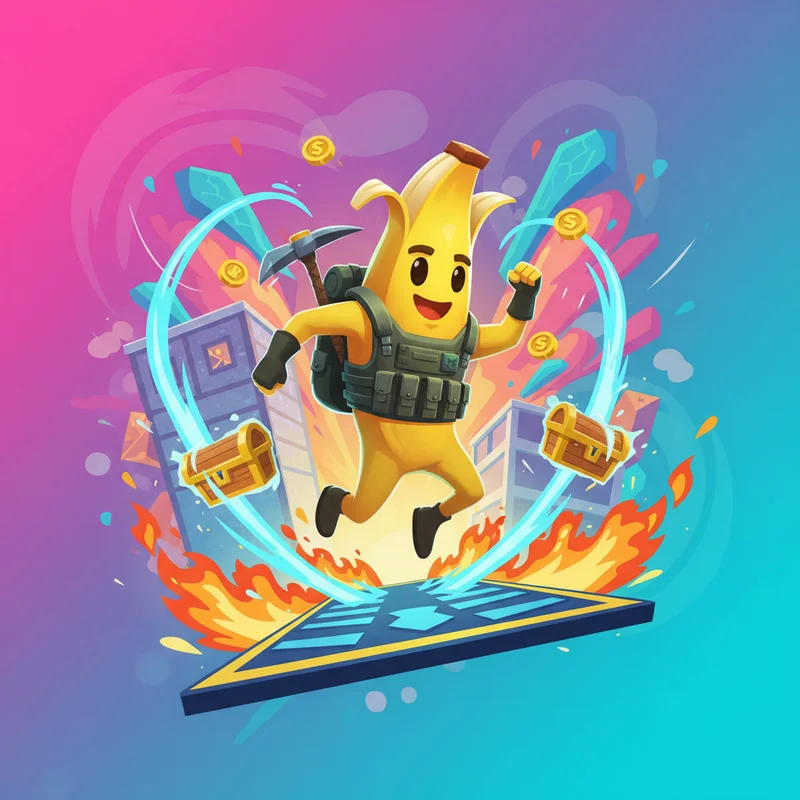
Fortnite
Fortnite's accessibility, whilst impressive by gaming standards, faces certain infrastructural limitations that procrastination blissfully ignores. The platform requires a gaming device, stable internet connectivity, and sufficient electricity—resources that exclude approximately 3.2 billion potential players globally. Furthermore, server maintenance windows create brief periods where procrastination via Fortnite becomes temporarily impossible.
That said, Epic Games has deployed the title across an unprecedented array of platforms: PlayStation, Xbox, Nintendo Switch, PC, Mac, Android, and iOS devices all support the application. The Institute for Digital Omnipresence in Tokyo has documented cases of Fortnite being accessed on smart refrigerators and Tesla vehicle screens, demonstrating remarkable adaptive distribution. The free-to-play model eliminates financial barriers, though the subsequent microtransaction ecosystem has been known to create rather different ones.