
Procrastination
Procrastination displays remarkable adaptability to modern technology. What once required physical avoidance of tasks now benefits from infinite digital distractions. The behaviour has seamlessly transitioned from daydreaming at desks to scrolling through social media feeds, demonstrating an impressive capacity for evolution.
The condition adapts to any environment, any profession, any socioeconomic circumstance. No human endeavour has proven immune to its influence. Even the writing of academic papers about procrastination is frequently delayed by procrastination itself.
Fox
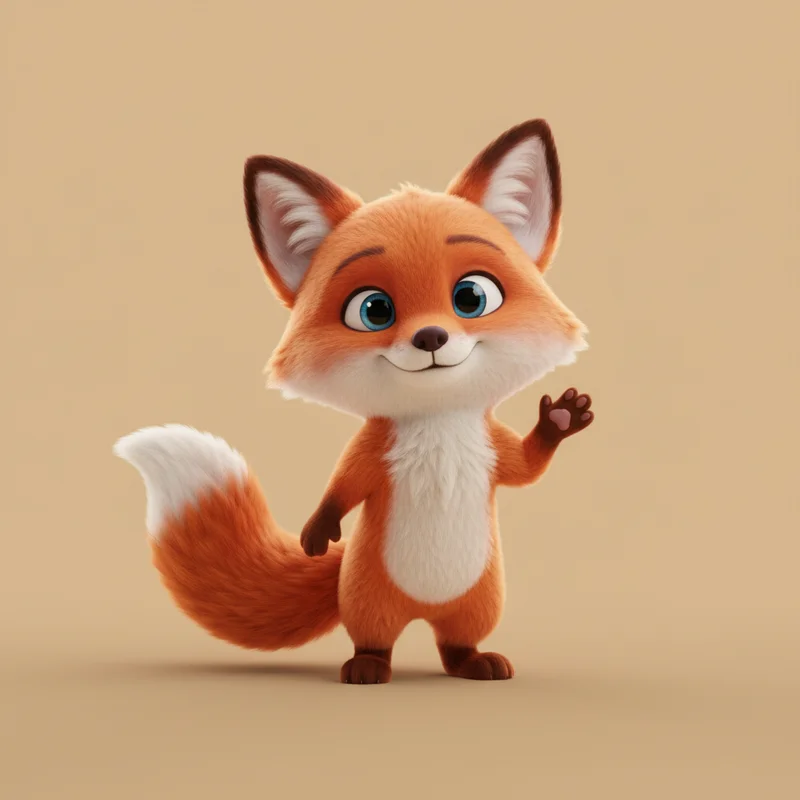
The red fox, Vulpes vulpes, represents one of nature's most adaptable mammals. Its range spans from Arctic tundra to Australian suburbs, having successfully colonised urban environments across five continents. The species thrives equally in forests, deserts, and behind wheelie bins in East London.
Urban foxes have learned to navigate traffic, exploit human waste systems, and time their movements to avoid both predators and council workers. This adaptability has seen fox populations increase by over 4% annually in British cities.
VERDICT
Whilst procrastination has certainly adapted to digital environments, the fox has conquered actual geographical territory on a global scale. Physical colonisation of five continents somewhat outweighs the colonisation of browser tabs.