
Procrastination
Despite affecting ninety-five percent of the human population according to the Universal Census of Behavioural Afflictions, procrastination suffers from a peculiar recognition deficit. The phenomenon lacks a distinctive visual identity—no bolts through the neck, no shambling gait, no dramatic musical accompaniment. Procrastination has never starred in a major motion picture, never graced a Halloween costume, and never been portrayed by Boris Karloff in memorable green makeup. This anonymity is both procrastination's greatest weakness and its most insidious strength: victims often fail to recognise they are under attack until hours have vanished into the void of unproductive activity. The Marketing Council for Abstract Threats has repeatedly attempted to create a mascot for procrastination awareness campaigns, but the committee responsible has yet to schedule their first meeting.
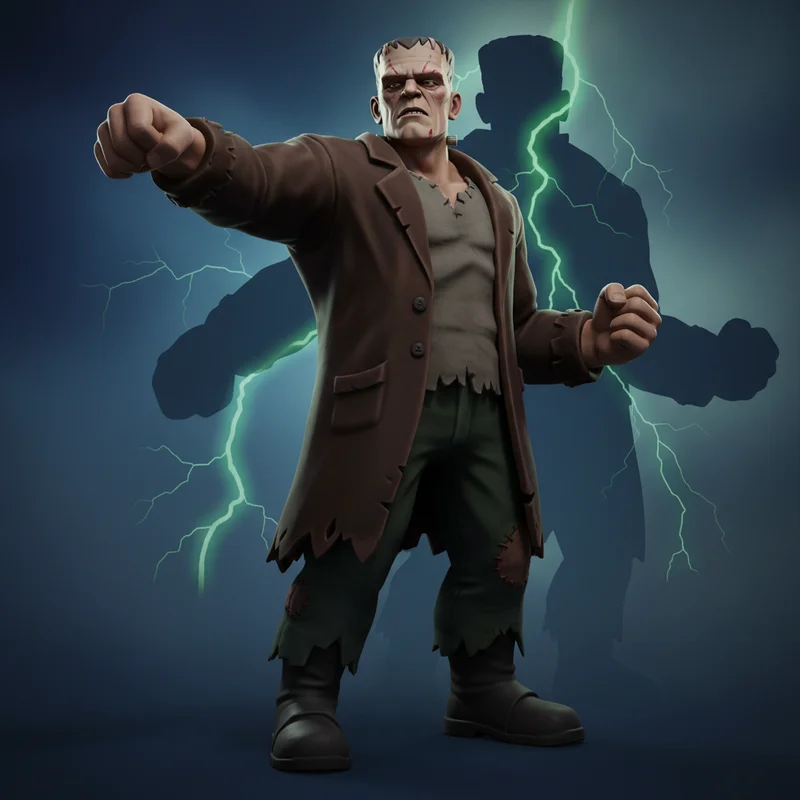
Frankenstein Monster
Frankenstein's Monster enjoys extraordinary cultural penetration for an entity that existed, even within its own fiction, for merely a few years. The creature has been portrayed in over seventy major film adaptations, countless theatrical productions, and has become a permanent fixture of the Halloween industrial complex. The Monster's distinctive flat-topped head and neck bolts—features never actually described in Mary Shelley's novel—have achieved instant recognisability across all age demographics. Research by the Institute for Cultural Immortality indicates that ninety-two percent of British schoolchildren can identify Frankenstein's Monster, though only three percent can correctly attribute the creation to Mary Shelley rather than the Monster itself. This represents a branding success that most corporate marketing departments would sacrifice significant resources to achieve, possibly including some light grave-robbing.