
Topic Battle

Where Everything Fights Everything

Procrastination

Procrastination

The art of doing everything except the one thing you should be doing. A universal human experience that has spawned more clean apartments, reorganized sock drawers, and Wikipedia deep dives than any productivity method ever could.

VS
Glacier

Glacier

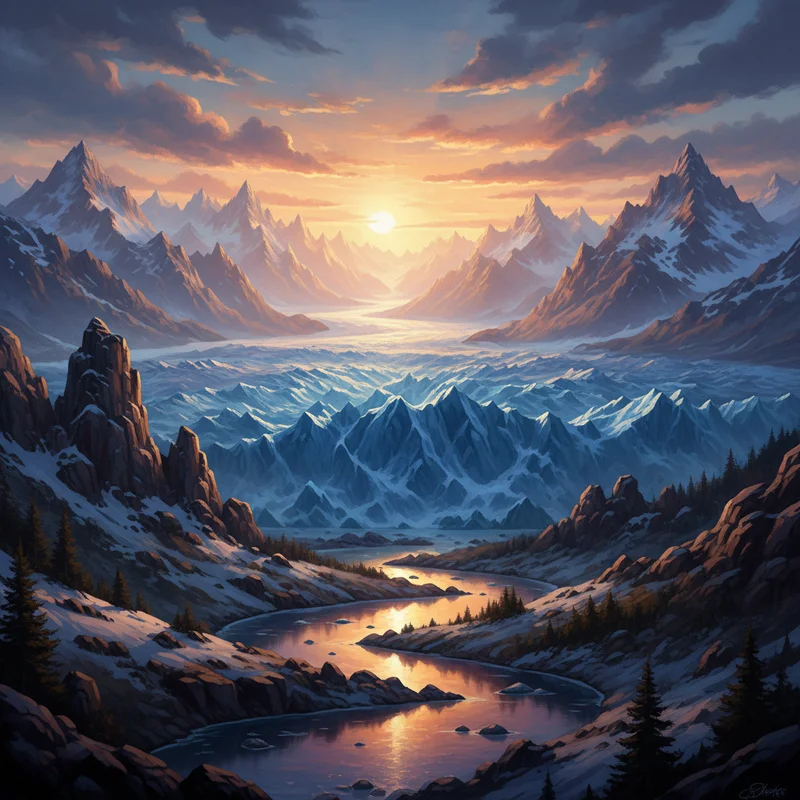
Slow-moving ice mass reshaping continents.

Battle Analysis

Speed Glacier Wins
30%
70%
Procrastination Glacier

Procrastination

Procrastination demonstrates a highly variable velocity profile, capable of bringing tasks to complete standstill for periods ranging from minutes to years. The procrastinating individual may achieve zero meaningful progress on primary objectives whilst simultaneously accomplishing extraordinary quantities of secondary tasks. This phenomenon, termed productive procrastination, enables activities such as reorganising entire filing systems, learning obscure historical facts, or achieving inbox zero, all whilst avoiding the singular task at hand.

Crucially, procrastination can reverse instantly. The approaching deadline triggers what researchers call panic productivity, wherein weeks of delayed work compresses into hours of frantic output. This velocity variability represents either a feature or a bug, depending upon one's philosophical orientation toward temporal management.

Glacier

The glacier maintains remarkable consistency in its approach to velocity. Average glacial movement ranges from 0.3 to 30 metres per day, with exceptional surging glaciers achieving 30 metres daily during active phases. This represents neither speed nor stillness, but rather a third category of motion entirely: the inexorable. A glacier cannot be rushed by deadline, nor can it be persuaded to pause.

The Jakobshavn Glacier in Greenland holds the speed record at approximately 46 metres per day, yet even this exceptional performer would require 34 years to travel the length of a standard marathon. The glacier's relationship with speed transcends human timeframes entirely, operating on scales where urgency becomes meaningless.

VERDICT

The glacier maintains consistent forward momentum regardless of circumstances, whilst procrastination frequently achieves net-zero velocity.
Durability Procrastination Wins
70%
30%
Procrastination Glacier

Procrastination

As a psychological phenomenon, procrastination demonstrates extraordinary resilience against elimination. Despite centuries of productivity advice, countless self-help methodologies, and the development of entire industries devoted to its eradication, procrastination persists with undiminished vigour. Techniques including the Pomodoro method, time-blocking, and accountability partnerships achieve temporary suppression at best. The tendency resurfaces with remarkable consistency.

Studies indicate that procrastination behaviour correlates with neurological structures governing emotional regulation and executive function. One cannot simply wish it away any more than one can wish away an amygdala. This biological entrenchment grants procrastination a durability that few behavioural patterns can match, persisting across cultures, centuries, and technological revolutions.

Glacier

Glaciers have demonstrated multi-millennial persistence, with some Antarctic ice dating back 800,000 years. They have survived volcanic eruptions, meteor impacts, and the rise and fall of numerous species. However, the contemporary glacier faces an existential threat unprecedented in geological time. Global temperature increases have accelerated glacial retreat at alarming rates, with projections suggesting significant losses within this century.

The Himalayan glaciers, which supply water to 1.9 billion people, face potential reduction of one-third by 2100 under current emission trajectories. Glacial durability, whilst impressive over geological timeframes, proves surprisingly vulnerable to anthropogenic climate modification. The glacier that survived ice ages may not survive industrialisation.

VERDICT

Procrastination survives all attempts at eradication, whilst glaciers face measurable existential threats from climate change.
Global reach Procrastination Wins
70%
30%
Procrastination Glacier

Procrastination

Procrastination achieves truly universal distribution across human populations. Research conducted across 46 countries confirms its presence in every culture studied, regardless of economic development, religious tradition, or societal structure. Approximately 15-20% of adults qualify as chronic procrastinators, with occasional procrastination approaching universal prevalence. The phenomenon requires no infrastructure, no specific climate, and no cultural preconditions.

Procrastination adapts seamlessly to technological change. The invention of the internet, rather than reducing procrastination through efficiency gains, vastly expanded its territory. Social media platforms now provide infinite procrastination surfaces, enabling delay behaviours previously unimaginable. Where there are humans, there is procrastination, making it one of the most geographically distributed psychological phenomena known to science.

Glacier

Glaciers maintain presence across 47 countries, concentrated in polar regions and high-altitude mountain ranges. They cover approximately 10% of Earth's land surface, storing an estimated 69% of the world's fresh water. This represents substantial geographical footprint, yet one fundamentally constrained by temperature requirements. No glacier exists in tropical lowlands, equatorial regions, or the vast majority of inhabited areas.

The distribution of glaciers follows strict thermodynamic laws. They cannot expand into warm regions regardless of other conditions, limiting their global reach to environments maintaining sub-zero temperatures for extended periods. This climatic dependency creates a geographical ceiling that procrastination, bound by no such physical laws, easily surpasses.

VERDICT

Procrastination exists wherever humans exist, whilst glaciers require specific temperature conditions limiting their distribution.
Social impact Glacier Wins
30%
70%
Procrastination Glacier

Procrastination

Procrastination's social effects present a decidedly mixed portfolio. On the negative ledger, it generates approximately $70 billion annually in lost productivity within the United States alone. It correlates with increased stress, damaged relationships, and compromised career outcomes. Academic procrastination accounts for significant examination failures and degree incompletions.

Yet procrastination also serves unexpected social functions. The shared experience of deadline panic creates bonding opportunities among colleagues and students. Procrastination-induced all-night work sessions have forged lasting friendships. The universal nature of the experience provides conversational common ground across otherwise disconnected social groups. Procrastination, for all its costs, remains one of humanity's most reliable sources of sympathetic connection.

Glacier

Glaciers have shaped human civilisation in ways both obvious and subtle. They carved the valleys that became transportation corridors, deposited the soils that enabled agriculture, and created the freshwater supplies upon which cities depend. An estimated 1.9 billion people rely directly on glacial meltwater for drinking water and irrigation. The social impact of glaciers, measured across millennia, approaches the foundational.

Contemporary glacier retreat carries profound social consequences. Communities dependent on glacial water face existential threats. Glacial lake outburst floods threaten downstream populations. The loss of glaciers represents not merely environmental change but the unravelling of social infrastructures built over generations. Where procrastination affects individual productivity, glaciers affect civilisational viability.

VERDICT

Glaciers support water systems serving nearly two billion people, representing civilisation-scale social impact that procrastination cannot approach.
Sustainability Glacier Wins
30%
70%
Procrastination Glacier

Procrastination

The environmental footprint of procrastination proves remarkably modest. The act itself produces no emissions, requires no resource extraction, and generates no physical waste. Indeed, procrastination may inadvertently reduce environmental impact by delaying consumption, travel, and industrial activity. The procrastinator who postpones purchasing a new vehicle has, through inaction, reduced their carbon footprint.

However, procrastination's sustainability credentials face complications upon closer examination. Delayed maintenance leads to larger eventual repairs. Postponed environmental action accelerates climate damage. The student who procrastinates studying may require additional years of resource-intensive education. The sustainability of procrastination depends entirely upon what is being postponed, rendering general assessment problematic.

Glacier

Glaciers function as critical components of global environmental systems. They regulate sea levels, moderate regional temperatures, and provide freshwater storage exceeding all lakes and rivers combined. The glacier represents not merely a sustainable entity but a sustainability-enabling infrastructure. Without glacial meltwater, the agricultural systems supporting billions would collapse.

Furthermore, glaciers contain invaluable climate records within their ice cores, documenting atmospheric composition across hundreds of millennia. Their loss would erase scientific data irreplaceable by any other means. The glacier's contribution to planetary sustainability extends far beyond its physical presence, serving functions that no human technology can replicate.

VERDICT

Glaciers provide essential ecosystem services including freshwater storage and climate regulation. Procrastination offers no such systemic benefits.
👑

The Winner Is

Glacier

45 - 55

This analysis reveals two fundamentally different philosophies of delay. Procrastination represents human-scale resistance to urgency, a psychological phenomenon of remarkable persistence and universal distribution. Its victories in durability and global reach reflect its nature as an intrinsic aspect of human cognition, ineradicable despite centuries of effort. Where glaciers face existential threats, procrastination thrives.

Yet the glacier's victories in speed, sustainability, and social impact prove decisive in aggregate. The glacier accomplishes what procrastination merely imitates: meaningful transformation through patient progress. Whilst the procrastinator delays tasks that eventually demand completion, the glacier completes tasks that only patience permits. Continents reshape, valleys form, and freshwater reserves accumulate, all through the application of consistent forward momentum across geological time.

The final score of 55-45 in favour of the glacier reflects not a dismissal of procrastination's remarkable qualities, but recognition that strategic delay achieves more when directed by thermodynamic inevitability rather than dopamine avoidance. The glacier wins not by moving quickly, but by moving always.

Procrastination
45%
Glacier
55%

Share this battle

More Comparisons