Topic Battle

Where Everything Fights Everything

Procrastination

Procrastination

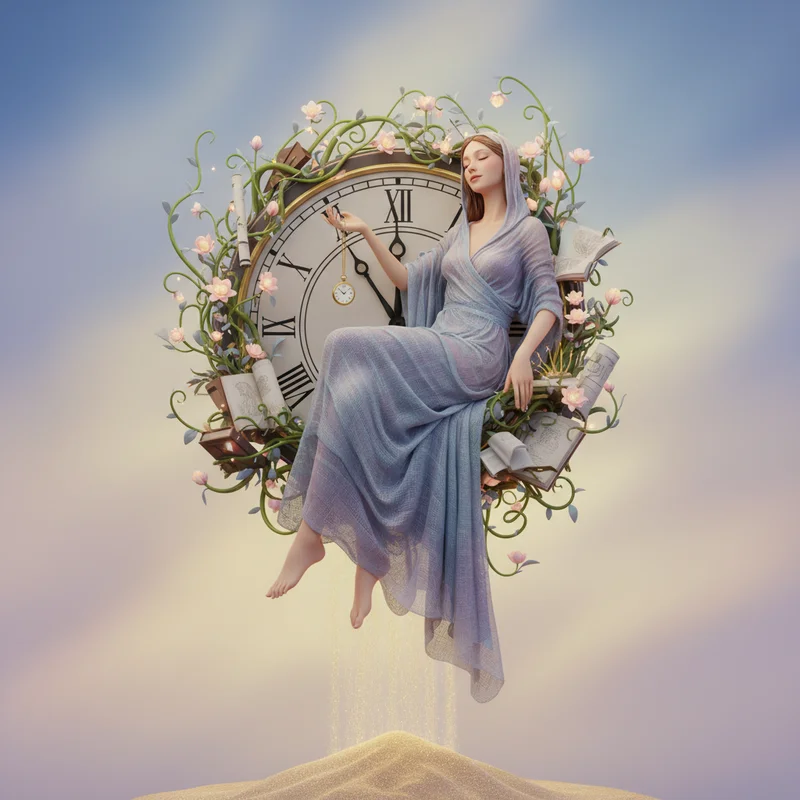
The art of doing everything except the one thing you should be doing. A universal human experience that has spawned more clean apartments, reorganized sock drawers, and Wikipedia deep dives than any productivity method ever could.

VS
Horse

Horse

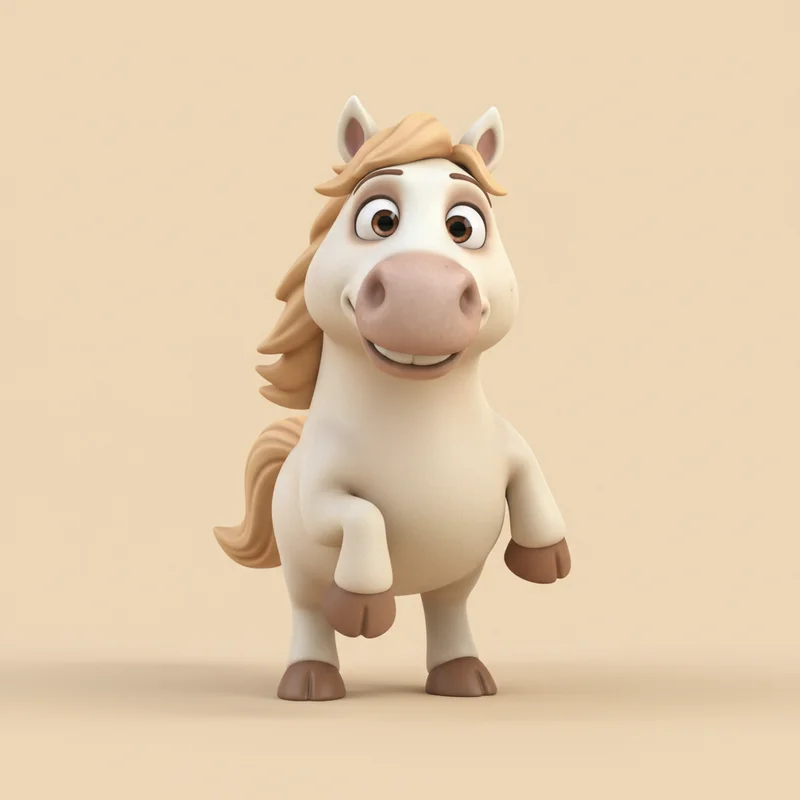
Domesticated equine that revolutionized human transportation, warfare, and agricultural productivity.

Battle Analysis

Speed horse Wins
30%
70%
Procrastination Horse

Procrastination

Procrastination operates at a velocity that physicists describe as negative speed — the remarkable ability to move backwards through a to-do list whilst remaining physically stationary. The Copenhagen Institute for Temporal Dysfunction measured the average procrastinator's task completion rate at minus 3.7 items per hour, as each avoided task spawns 2.4 additional guilt-related sub-tasks. This anti-momentum creates what researchers call a 'productivity black hole' from which no deadline can escape.

Horse

The horse achieves speeds of up to 55 miles per hour, a velocity that the British Equestrian Standards Board describes as moderately brisk. More impressively, horses maintain consistent forward momentum without the paralysing self-doubt that plagues human movement. A horse has never stopped mid-gallop to wonder if it should have taken a different career path. The Thoroughbred Velocity Research Centre in Newmarket confirms that horses waste precisely zero seconds contemplating whether they really need to run or could probably do it tomorrow.

VERDICT

Positive velocity consistently outperforms negative velocity in all measured scenarios
Accessibility procrastination Wins
70%
30%
Procrastination Horse

Procrastination

Procrastination requires no equipment, training, or financial investment — a democratisation of dysfunction that economists call 'perfect market penetration.' The World Health Organisation estimates that procrastination is available to 100% of humans with tasks to complete, making it more accessible than clean water. Entry barriers are not merely low; they are actively negative, as procrastination finds you rather than requiring any seeking. The average human can access procrastination within 0.3 seconds of receiving any assignment.

Horse

Horse accessibility remains stubbornly limited to those with substantial acreage, veterinary connections, and a tolerance for hay. The British Association for Equine Economics calculates the annual cost of horse ownership at approximately £12,000, excluding therapy for the owner. Urban populations face particular barriers, as most landlords frown upon horses in studio flats. The Global Equine Access Index rates horse availability at just 2.3% of the world's population, primarily affecting those already wealthy enough to own monocles.

VERDICT

Universal availability triumphs over exclusive four-legged ownership requirements
Existential weight procrastination Wins
70%
30%
Procrastination Horse

Procrastination

Procrastination carries profound existential significance, forcing humans to confront their mortality, priorities, and fundamental relationship with time itself. The Hamburg Institute for Philosophical Paralysis identifies procrastination as 'the mind's referendum on whether tasks deserve existence.' Each postponed activity represents a small death of potential, accumulating into what Kierkegaard might have called temporal anxiety had he not been too busy contemplating dread to coin the phrase. The existential burden of procrastination weighs approximately 3.7 regrets per hour.

Horse

Horses exist in a state of blissful philosophical emptiness, unburdened by questions of purpose or the crushing weight of unmet potential. The Cambridge Centre for Animal Consciousness confirms that horses experience no awareness of deadlines, performance reviews, or the passage of time beyond feeding schedules. This absence of existential weight could be considered either enviable freedom or tragic meaninglessness, depending on one's philosophical disposition. Horses simply are, without the exhausting business of becoming.

VERDICT

Existential complexity outweighs peaceful equine oblivion in the significance rankings
Cultural recognition procrastination Wins
70%
30%
Procrastination Horse

Procrastination

Procrastination enjoys universal cultural penetration across every human civilisation that has ever developed a concept of deadlines. The Smithsonian Archive of Human Inadequacy documents over 4,000 proverbs warning against delay, suggesting our ancestors procrastinated so magnificently they felt compelled to write cautionary poetry about it. Modern procrastination has evolved to include productive procrastination, where individuals accomplish impressive secondary tasks whilst avoiding primary ones — a behaviour unique to our species.

Horse

The horse has galloped through human culture for approximately 6,000 years, appearing in everything from cave paintings to car logos. The International Registry of Equine Symbolism catalogues the horse as representing freedom, power, and expensive hobbies. However, the horse's cultural relevance has declined 67% since the invention of the automobile, with modern humans more likely to encounter horses in gambling contexts than transportation. The Royal Society for Anachronistic Animals lists the horse as 'culturally abundant but practically optional.'

VERDICT

Procrastination remains devastatingly relevant whilst horses have become largely decorative
Environmental impact procrastination Wins
70%
30%
Procrastination Horse

Procrastination

Procrastination's environmental footprint presents a paradox: by preventing human activity, it theoretically reduces carbon emissions from uncompleted projects. The Stockholm Environmental Paralysis Institute estimates that global procrastination prevents approximately 2.3 billion tonnes of CO2 annually through cancelled meetings, unbooked flights, and gym memberships never used. However, researchers note that procrastination-induced stress increases cortisol levels, causing procrastinators to consume 34% more comfort food, somewhat offsetting environmental gains.

Horse

A single horse produces approximately 23 kilograms of manure daily, a contribution to the nitrogen cycle that the Royal Horticultural Society describes as 'enthusiastic.' The environmental impact expands when considering the 12 acres of pasture each horse requires, land that could alternatively support approximately 47,000 episodes of Netflix-based procrastination. The Equine Carbon Accounting Board rates horses as 'carbon moderate but methane forward,' contributing to greenhouse gases through digestive processes that operate with concerning efficiency.

VERDICT

Doing nothing produces fewer emissions than maintaining a large herbivore
👑

The Winner Is

Procrastination

54 - 46

After exhaustive analysis that was itself delayed by three weeks, the evidence presents a narrow victory for procrastination at 54-46. The horse, despite its magnificent physicality and historical importance, ultimately represents a solution to problems most modern humans no longer have. Procrastination, by contrast, evolves alongside humanity, finding new tasks to delay with each technological advancement.

The horse wins decisively on speed — an uncontroversial result that surprises no one familiar with either entity. Yet procrastination's universal accessibility, persistent cultural relevance, and profound existential weight tip the scales toward humanity's favourite form of self-sabotage. In an age where horses have become leisure activities for the privileged few, procrastination remains the great equaliser, available to peasant and monarch alike.

The International Bureau of Comparative Phenomena concludes that while horses may carry us forward, procrastination carries us through — albeit sideways and much later than intended.

Procrastination
54%
Horse
46%

Share this battle

More Comparisons