
Topic Battle

Where Everything Fights Everything

Procrastination

Procrastination

The art of doing everything except the one thing you should be doing. A universal human experience that has spawned more clean apartments, reorganized sock drawers, and Wikipedia deep dives than any productivity method ever could.

VS
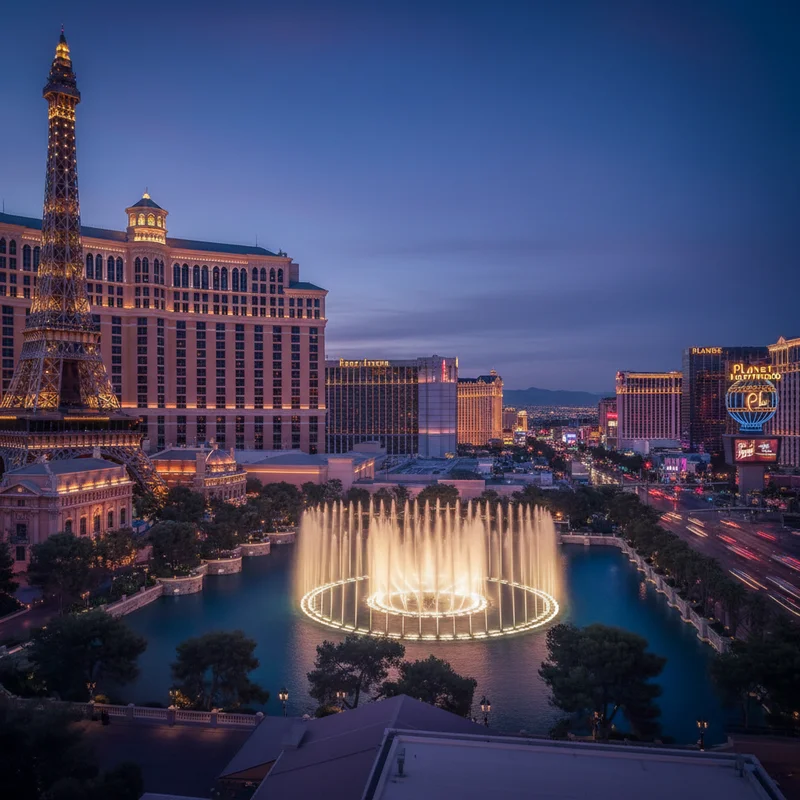
Las Vegas

Las Vegas

Desert city of gambling, shows, and regret.

Battle Analysis

Reliability procrastination Wins
70%
30%
Procrastination Las Vegas

Procrastination

Procrastination demonstrates extraordinary reliability in its occurrence, if not in its outcomes. Temporal motivation theory predicts procrastination with mathematical precision based on task characteristics: low expectancy of success, low value, high impulsivity, and distant deadlines create conditions where procrastination becomes virtually inevitable. The phenomenon reliably manifests whenever these conditions align.

The reliability of procrastination as a behavioural pattern has persisted across cultures and throughout recorded history. References to task avoidance appear in texts from ancient Egypt, suggesting that procrastination predates modern distractions by millennia. One may depend upon procrastination to appear whenever facing an unpleasant task, regardless of the consequences. This reliability, whilst not entirely welcome, represents a form of psychological constancy in an uncertain world.

Las Vegas

Las Vegas maintains its essential character with remarkable consistency. The city operates 24 hours daily, 365 days annually, ensuring that the Las Vegas experience remains available whenever one requires it. Unlike seasonal destinations or establishments with operating hours, Las Vegas never closes. The casinos, the restaurants, the wedding chapels—all maintain continuous operations.

The reliability extends to experiential consistency. A visitor returning after a decade will find the essential Las Vegas proposition unchanged: gambling opportunities, entertainment options, and the fundamental promise of permissive excess. Individual establishments may rise and fall, but the city's core offering remains stable. However, Las Vegas cannot guarantee a positive individual experience—the mathematics ensure that most gambling visitors leave with less money than they arrived with. The city reliably delivers opportunity; outcomes vary considerably.

VERDICT

Procrastination reliably occurs under predictable psychological conditions; Las Vegas reliably operates but cannot guarantee visitor outcomes.
Accessibility procrastination Wins
70%
30%
Procrastination Las Vegas

Procrastination

Procrastination's accessibility represents perhaps its most remarkable competitive advantage. The phenomenon requires no travel arrangements, no advance booking, and no financial investment whatsoever. One may engage in procrastination immediately upon reading this sentence, demonstrating the concept's extraordinary low barrier to entry. Academic research indicates that the average person spends approximately 218 minutes daily in procrastination activities.

The infrastructure supporting procrastination has expanded dramatically in the digital age. Social media platforms, streaming services, and an infinite scroll of mildly interesting content provide procrastination enablement on an unprecedented scale. Unlike previous generations, who were forced to procrastinate through limited means such as staring out windows or reorganising sock drawers, modern procrastinators enjoy 24/7 access to distraction technologies optimised by teams of engineers specifically to capture and retain attention.

Las Vegas

Las Vegas presents considerably higher barriers to entry. The city requires physical presence, necessitating either airline travel or extended automotive journeys through notably inhospitable desert terrain. Flight costs from major American cities average $200-500 return, with international visitors facing substantially higher investments. Hotel accommodation, whilst occasionally subsidised by casino operators hoping to recoup costs at the gaming tables, adds further expense.

Once arrived, visitors discover that Las Vegas demands continuous financial engagement. The city's infrastructure has been meticulously designed to separate guests from their money through mechanisms ranging from slot machines in airport terminals to the strategic absence of clocks in casino environments. Unlike procrastination, which one may enjoy indefinitely without cost, Las Vegas requires ongoing capital injection to sustain the experience. This fundamental accessibility gap cannot be overlooked.

VERDICT

Procrastination is universally available at zero cost; Las Vegas demands travel expenses, accommodation, and continuous spending.
Economic impact procrastination Wins
70%
30%
Procrastination Las Vegas

Procrastination

Procrastination's economic footprint, though largely invisible, achieves staggering proportions. Studies by Steel and Ferrari estimate that procrastination costs the American economy approximately $70 billion annually in lost productivity, incomplete projects, and last-minute errors caused by rushed completion. Tax filing delays alone generate $400 million in avoidable penalties each year.

The phenomenon affects organisations at every level. Research indicates that employees spend an average of 1.5-3 hours daily on non-work activities during work hours, representing a substantial drain on payroll investment. Academic institutions report that procrastination contributes to approximately 70 percent of late assignments, affecting educational outcomes and subsequent career trajectories. The compound economic impact across a lifetime of delayed tasks and unrealised potential defies precise calculation.

Las Vegas

Las Vegas functions as a highly efficient economic engine for the extraction of discretionary income from visitors. The gaming industry alone generates $15 billion annually, whilst total visitor spending exceeds $35 billion when accounting for accommodation, dining, entertainment, and retail purchases. The average Las Vegas visitor spends approximately $250-300 per day during their stay.

The city's economic model demonstrates remarkable sophistication in value extraction. Casino mathematics ensure a house edge ranging from 0.5 percent on blackjack with optimal strategy to 25 percent on certain slot machines. Resort fees, parking charges, and dynamic pricing further optimise revenue capture. Yet unlike procrastination's purely destructive economic impact, Las Vegas generates employment for hundreds of thousands and contributes substantially to Nevada's state budget through gaming taxes. The money, at least, goes somewhere productive.

VERDICT

Procrastination destroys $70 billion in economic value annually; Las Vegas merely redistributes visitor wealth whilst creating employment.
Entertainment value las_vegas Wins
30%
70%
Procrastination Las Vegas

Procrastination

The entertainment value of procrastination proves surprisingly difficult to quantify. Whilst the activities employed in procrastination—watching videos, browsing social media, reorganising filing systems—may provide momentary pleasure, they are accompanied by a persistent undertone of guilt and anxiety. Research by Timothy Pychyl at Carleton University indicates that procrastinators report lower levels of wellbeing than their task-completing counterparts.

The paradox of procrastination lies in its promise of entertainment that rarely materialises fully. The procrastinator knows they should be doing something else, and this knowledge contaminates the experience of whatever diversion they have chosen. One may watch four hours of television whilst procrastinating and yet recall none of it with pleasure, the entertainment value having been neutralised by ambient dread. This represents a fundamental flaw in procrastination's value proposition.

Las Vegas

Las Vegas has elevated entertainment to an industrial-scale operation of remarkable sophistication. The city hosts approximately 42 million visitors annually, each drawn by a concentration of spectacle unmatched elsewhere on Earth. World-class performers, Michelin-starred restaurants, architectural extravaganzas, and an atmosphere of permissive hedonism combine to create an entertainment ecosystem of exceptional density.

The city's entertainment offerings span every conceivable category. Cirque du Soleil operates six permanent shows along the Strip. Celebrity chef restaurants number in the dozens. Nightclubs command $10,000 for bottle service tables. Even the simple act of walking down Las Vegas Boulevard presents a continuous visual spectacle of fountains, illuminations, and architectural fantasy. Whatever one's entertainment preferences, Las Vegas has industrialised their provision with the efficiency of a well-oiled machine designed specifically to prevent boredom.

VERDICT

Las Vegas delivers concentrated, guilt-free entertainment; procrastination provides diluted pleasure contaminated by anxiety.
Psychological impact las_vegas Wins
30%
70%
Procrastination Las Vegas

Procrastination

Procrastination's psychological profile reveals a complex interplay of short-term relief and long-term distress. The initial act of postponement triggers a dopamine release associated with avoiding an unpleasant task, creating temporary mood elevation. However, this benefit proves fleeting, rapidly replaced by escalating stress as deadlines approach and workloads accumulate.

Chronic procrastinators exhibit elevated levels of cortisol, compromised immune function, and increased vulnerability to cardiovascular disease. The phenomenon creates a self-reinforcing cycle: procrastination causes stress, stress impairs cognitive function, impaired cognition makes tasks seem more daunting, and increased perceived difficulty triggers further procrastination. Research indicates that severe procrastinators report significantly lower life satisfaction and higher rates of depression and anxiety disorders.

Las Vegas

Las Vegas produces psychological effects of considerable intensity but finite duration. The city's sensory environment—constant stimulation, absence of natural light indicators, and carefully calibrated ambient conditions—creates a state of dissociative immersion that suspends normal judgment processes. Visitors report feeling that normal rules do not apply, a perception the city actively cultivates through marketing emphasising confidentiality and excess.

The psychological aftermath varies considerably. For moderate visitors, Las Vegas provides a contained release valve for behavioural tendencies normally suppressed by social convention. For others, the city can trigger gambling addiction, a condition recognised by the DSM-5 as a serious psychiatric disorder. However, the average visitor departs with memories of indulgence rather than chronic psychological damage. The experience ends definitively when one boards the departing flight—unlike procrastination, which travels home in one's luggage.

VERDICT

Las Vegas offers temporary psychological escape with a clear endpoint; procrastination creates chronic stress without resolution.
👑

The Winner Is

Las Vegas

44 - 56

This rigorous comparative analysis reveals a contest between two phenomena that exploit human psychology through markedly different mechanisms. Procrastination prevails in accessibility, economic impact, and reliability—categories where its universal availability and predictable occurrence confer significant advantages. One need not book flights or budget expenses to procrastinate; the phenomenon arrives unbidden, requiring only the presence of a task one would rather avoid.

Yet Las Vegas demonstrates clear superiority in entertainment value and psychological impact, categories that reflect the quality of experience rather than mere availability. The city offers genuine pleasure without the corrosive undertone of guilt, and its effects terminate upon departure rather than following one home. When Las Vegas damages a visitor, it does so with flair and complimentary drinks.

The philosophical implications merit reflection. Procrastination represents an internal struggle against one's own intentions—a private failure that compounds silently over time. Las Vegas represents external temptation engineered to industrial perfection—a public spectacle that makes excess seem not merely acceptable but celebrated. Both exploit the gap between rational long-term planning and immediate gratification, yet they do so with vastly different aesthetics.

By a margin of 56 to 44 percent, Las Vegas claims this comparative victory. Its concentrated entertainment delivery, purpose-built infrastructure, and capacity to provide genuine if expensive pleasure ultimately outweigh procrastination's advantages in accessibility and reliability. Procrastination may be free and universally available, but Las Vegas reminds us that some experiences are worth paying for—even when, mathematically speaking, the house always wins.

Procrastination
44%
Las Vegas
56%

Share this battle

More Comparisons