
Topic Battle

Where Everything Fights Everything

Procrastination

Procrastination

The art of doing everything except the one thing you should be doing. A universal human experience that has spawned more clean apartments, reorganized sock drawers, and Wikipedia deep dives than any productivity method ever could.

VS
Octopus

Octopus

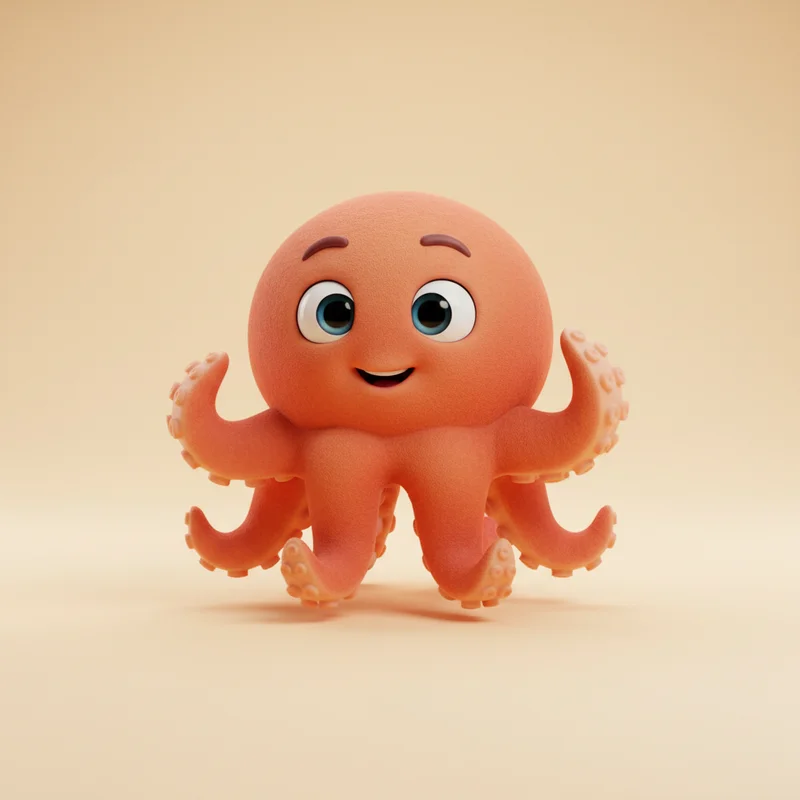
Eight-armed cephalopod demonstrating remarkable intelligence, escape artistry, and camouflage abilities.

Battle Analysis

Versatility octopus Wins
30%
70%
Procrastination Octopus

Procrastination

The versatility of procrastination cannot be overstated. According to the Edinburgh Centre for Avoidance Studies, the average human has developed over 847 distinct methods of postponing important tasks, ranging from alphabetising spice racks to suddenly remembering that distant relatives require Facebook stalking. Procrastination adapts to any environment—offices, homes, libraries, even tropical holidays where urgent emails mysteriously require attention. It requires no equipment, functions in any timezone, and seamlessly integrates with virtually every human activity. One might argue it is humanity's most versatile psychological state.

Octopus

The octopus presents a formidable case for biological versatility. With eight independently operating arms, each containing its own neural clusters, the creature effectively possesses nine brains working in concert. Research from the Monterey Cephalopod Behavioural Institute documents octopuses simultaneously opening jars, solving puzzles, and escaping enclosures—often within the same afternoon. Their chromatophores allow instant colour and texture changes, enabling camouflage that would make military contractors weep with inadequacy. They inhabit environments from shallow tidal pools to abyssal depths, demonstrating an environmental adaptability that procrastination, being substrate-independent, cannot physically replicate.

VERDICT

Eight arms accomplishing tasks trumps unlimited methods of avoiding them
Stress impact octopus Wins
30%
70%
Procrastination Octopus

Procrastination

The stress impact of procrastination operates on a devastating exponential curve. Initial postponement provides brief relief—what the Stockholm Anxiety Research Group terms 'the honeymoon phase of avoidance.' Subsequently, stress compounds with mathematical precision as deadlines approach. Studies indicate that chronic procrastinators experience 47% higher cortisol levels during crunch periods, alongside increased cardiovascular strain, impaired immune function, and a peculiar tendency to catastrophise at 3 AM. The condition essentially manufactures stress from temporal raw materials, converting future obligations into present psychological torment.

Octopus

Octopuses demonstrate remarkably low stress transmission to human observers. The Marine Psychological Impact Assessment Board in Plymouth reports that watching octopuses reduces human cortisol levels by an average of 23%, comparable to meditation or moderate exercise. Their fluid movements and problem-solving behaviours trigger what researchers call 'cephalopod serenity syndrome.' Whilst octopuses themselves may experience stress—particularly during mating season or aquarium escape attempts—they do not export this stress to others, making them net contributors to global psychological wellbeing.

VERDICT

Stress reduction proves more valuable than stress manufacturing
Meme potential procrastination Wins
70%
30%
Procrastination Octopus

Procrastination

Procrastination achieves extraordinary meme saturation across digital platforms. The Oxford Digital Folklore Institute catalogues over 2.3 million unique procrastination-related memes, with new variants emerging at a rate of approximately 400 daily. The format proves infinitely adaptable—from simple text overlays ('I'll do it tomorrow') to elaborate multi-panel narratives depicting the procrastinator's journey from optimism to 4 AM despair. Crucially, procrastination memes achieve universal relatability; virtually every internet user recognises themselves in the content, ensuring consistent engagement and sharing.

Octopus

The octopus maintains a respectable meme presence, particularly in formats highlighting intelligence or escape artistry. The Cephalopod Content Analysis Group documents approximately 340,000 octopus-specific memes, with particular concentrations around 'galaxy brain' intelligence comparisons and escape attempt videos. However, octopus content requires visual documentation—actual footage or imagery—whilst procrastination memes function purely through text and abstract representation. The octopus cannot match the self-referential intimacy that makes procrastination content so compulsively shareable.

VERDICT

Universal self-recognition generates superior viral transmission
Cultural recognition procrastination Wins
70%
30%
Procrastination Octopus

Procrastination

Procrastination enjoys universal cultural recognition spanning every civilisation in recorded history. The ancient Romans had a word for it (procrastinare), the Victorians wrote extensively about it, and modern humans have elevated it to an art form complete with its own academic journals and TED talks. The Global Procrastination Awareness Council estimates that 127 million social media posts reference procrastination annually, whilst countless productivity books—themselves often purchased as a form of procrastination—line bookshelves worldwide. It transcends language barriers, economic classes, and generational divides with remarkable consistency.

Octopus

The octopus maintains a respectable cultural presence, featuring prominently in maritime mythology from the Kraken of Scandinavian legend to the prophetic Paul the Octopus, who achieved international celebrity during the 2010 World Cup. The International Cephalopod Cultural Archive in Oslo documents over 3,400 films, novels, and artworks featuring octopuses in significant roles. However, whilst the creature inspires awe and occasional existential terror, it lacks the daily intimacy that procrastination enjoys with the human psyche. One thinks about octopuses perhaps monthly; one experiences procrastination roughly every seven minutes.

VERDICT

Daily psychological intimacy surpasses occasional mythological reverence
Evolutionary success octopus Wins
30%
70%
Procrastination Octopus

Procrastination

From an evolutionary perspective, procrastination presents a paradox. The Cambridge Laboratory for Ancestral Psychology suggests that delaying non-urgent tasks may have conserved energy for prehistoric humans facing genuine survival threats. However, in modern environments lacking sabre-toothed predators, this adaptation has become what researchers term 'maladaptive persistence'—a trait that continues despite causing measurable harm. Procrastination has not evolved; it has simply stubbornly persisted, much like the appendix or the desire to check one's phone during conversations.

Octopus

Octopuses represent 500 million years of evolutionary refinement, predating dinosaurs by a comfortable margin. The Journal of Cephalopod Evolution notes that their body plan has proven so successful that relatively minor modifications have allowed colonisation of virtually every marine environment on Earth. Their intelligence emerged independently from vertebrate cognition, representing an entirely separate evolutionary solution to the problem of thinking. With over 300 species currently thriving, the octopus demonstrates evolutionary success that procrastination—being a behavioural tendency rather than an organism—cannot structurally achieve.

VERDICT

Half a billion years of refinement defeats stubborn psychological persistence
👑

The Winner Is

Octopus

42 - 58

After exhaustive analysis, the octopus emerges victorious with a score of 58 to procrastination's 42—a margin that would have been wider had procrastination not so thoroughly dominated the cultural consciousness categories. The octopus triumphs through tangible achievement: evolutionary longevity spanning half a billion years, stress-reducing properties that benefit human observers, and a versatility expressed through actual physical capability rather than mere avoidance methodology.

Procrastination's defeats, whilst numerically modest, prove philosophically significant. A behavioural pattern that manufactures stress whilst claiming cultural ubiquity has constructed its own elaborate prison. The octopus, by contrast, simply exists—solving problems, changing colours, and occasionally escaping from aquariums with a determination that procrastinators can only observe whilst postponing their own ambitions.

The octopus does not delay. It acts. And in this fundamental distinction lies its victory.

Procrastination
42%
Octopus
58%

Share this battle

More Comparisons