
Procrastination
Procrastination has demonstrated remarkable persistence across human history. Ancient Egyptian hieroglyphics contain records of delayed pyramid construction. The Roman poet Horace wrote extensively on the subject in 23 BCE. Despite thousands of self-help books, productivity applications, and management methodologies, procrastination remains entirely undiminished. Arguably, digital technology has intensified rather than ameliorated the condition.
The phenomenon has survived every attempt at eradication. Industrial-era time management, the efficiency movement of the 1920s, and contemporary productivity culture have all failed to reduce procrastination's prevalence. It appears hardwired into human cognition, resistant to all intervention.
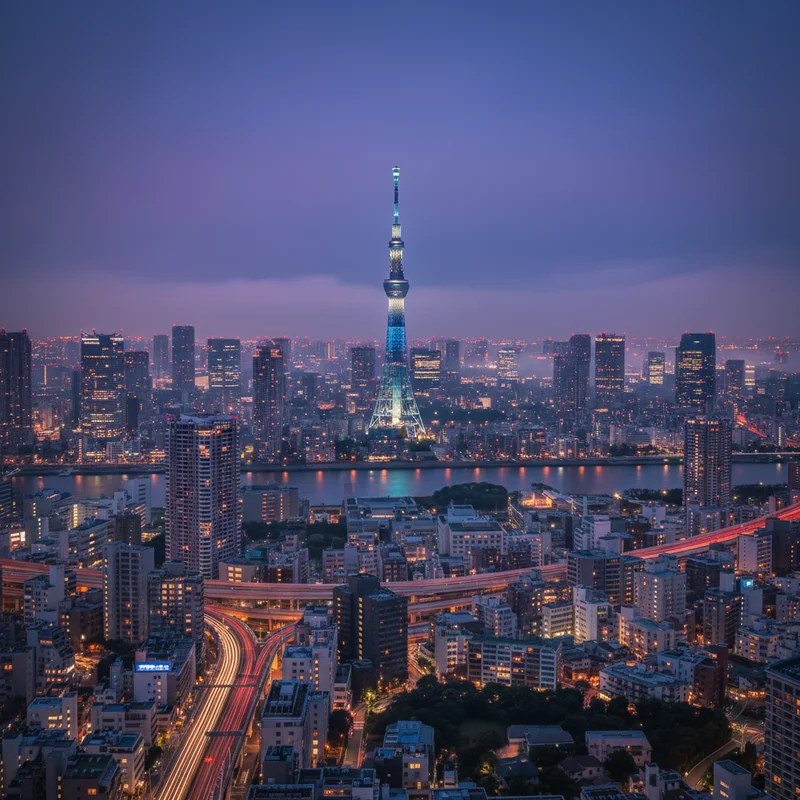
Tokyo
Tokyo's physical durability faces significant environmental challenges. The city sits atop four tectonic plates, experiencing approximately 1,500 perceptible earthquakes annually. The Great Kanto Earthquake of 1923 and subsequent firebombing during World War II necessitated complete reconstruction. Each iteration has required substantial investment in resilience engineering.
Yet Tokyo consistently rebuilds, often improving upon previous iterations. Modern construction incorporates seismic isolation systems and redundant infrastructure. The city's adaptive durability, whilst requiring continuous maintenance, demonstrates sophisticated resilience against existential threats. Tokyo endures not through indestructibility but through systematic reconstruction.