
Rubber Duck
In matters of velocity, the rubber duck presents what scientists term a velocity deficit of considerable magnitude. Lacking any form of propulsion system, muscular or mechanical, the rubber duck achieves forward motion only through the intervention of external forces. Water currents, wind patterns, and the playful splashing of bath-time participants constitute its entire locomotion portfolio.
When placed in still water, the rubber duck achieves a speed of precisely zero kilometres per hour, a figure that remains consistent regardless of motivation, threat level, or the presence of attractive stimuli. Its aerodynamic profile, whilst cheerful, was never designed with velocity in mind.
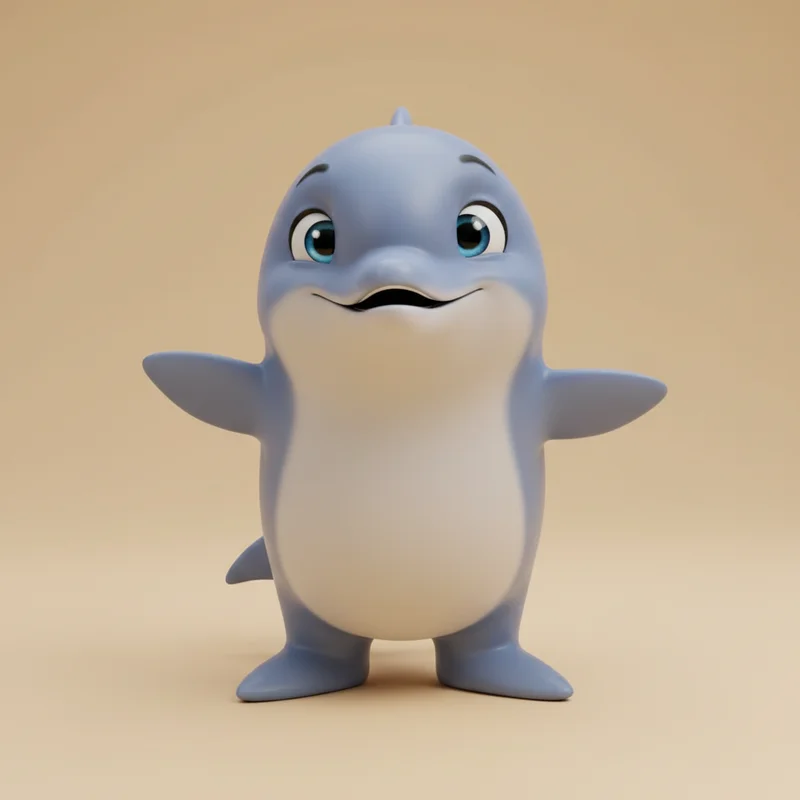
Dolphin
The dolphin represents one of nature's most exquisitely engineered propulsion systems. Capable of sustained speeds exceeding 30 kilometres per hour, with burst velocities approaching 55 kilometres per hour, these mammals move through water with an efficiency that has inspired naval architects for generations. Their dermal ridges reduce turbulence whilst their powerful flukes generate thrust that would require substantial horsepower to replicate mechanically.
Moreover, dolphins can maintain impressive speeds whilst simultaneously processing echolocation data, communicating with pod members, and executing complex hunting strategies. Their velocity is not merely rapid but intelligent.