Topic Battle

Where Everything Fights Everything

Rubber Duck

Rubber Duck

A debugging tool for programmers and bathtub companion for everyone else. This hollow yellow bird has solved more software bugs than most senior engineers. Also squeaks.

VS
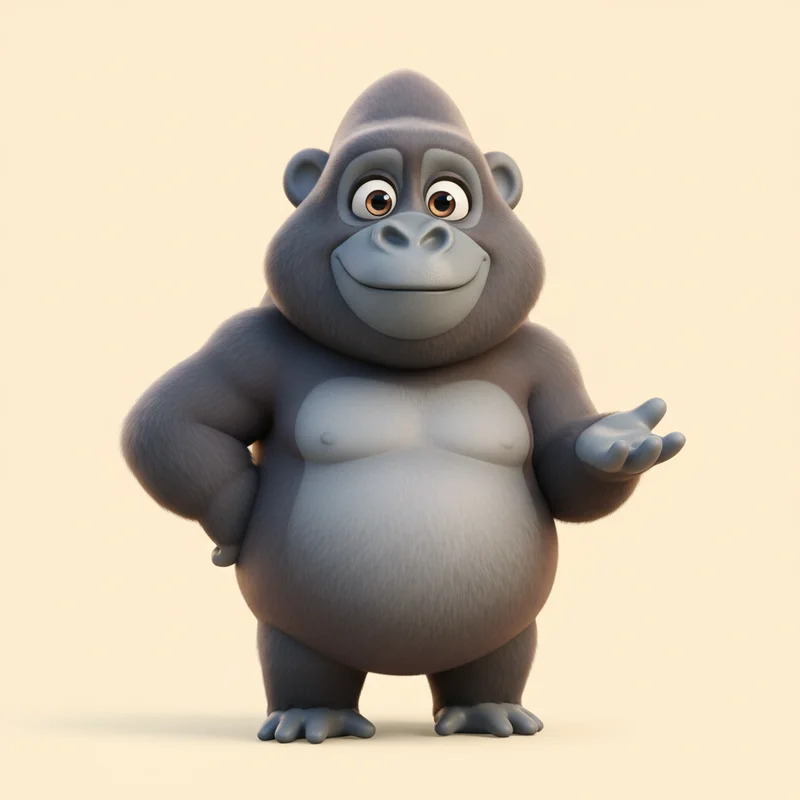
Gorilla

Gorilla

Largest living primate sharing 98% DNA with humans, known for chest-beating and gentle family bonds.

Battle Analysis

Durability rubber-duck Wins
30%
70%
Rubber Duck Gorilla

Rubber Duck

Gorilla

The gorilla, whilst physically formidable, operates under severe biological constraints that limit its temporal endurance. With a maximum lifespan of approximately 40 years in the wild—and perhaps 50 in captivity—the great ape represents an evolutionary compromise between power and permanence. The silverback's impressive musculature, capable of generating forces exceeding 1,800 pounds per square inch, paradoxically accelerates cellular degradation.

Furthermore, the gorilla's durability is contingent upon a complex web of environmental requirements: specific dietary provisions, appropriate social structures, and territories free from human encroachment. Remove any single element, and the mighty ape's existence becomes precarious. The rubber duck, by contrast, asks nothing of its environment save occasional drying.

VERDICT

The rubber duck's 30+ year functional lifespan and ability to survive oceanic voyages surpasses the gorilla's biological limitations.
Versatility rubber-duck Wins
30%
70%
Rubber Duck Gorilla

Rubber Duck

Gorilla

The gorilla's versatility, whilst limited by biological constraints, should not be dismissed entirely. These remarkable primates have demonstrated tool use, problem-solving capabilities, and even rudimentary sign language acquisition. In captive settings, gorillas have painted artwork, engaged in interspecies communication, and displayed emotional ranges rivalling human complexity.

However, the gorilla's size, dietary requirements, and conservation status impose severe practical limitations. One cannot deploy a gorilla for charity races, desk decoration, or software debugging without substantial logistical challenges and probable legal consequences. The gorilla excels at being a gorilla—a role it performs magnificently—but struggles to transcend its biological programming.

VERDICT

From debugging aid to art installation, the rubber duck's applications span domains the gorilla's biology simply cannot accommodate.
Global-recognition rubber-duck Wins
30%
70%
Rubber Duck Gorilla

Rubber Duck

Gorilla

The gorilla enjoys considerable recognition, though concentrated primarily among demographics with access to natural history programming and zoological facilities. While King Kong and various animated interpretations have extended the ape's cultural footprint, significant portions of the global population have never encountered a gorilla—real or represented—in their lives.

Regional variations in recognition prove illuminating. In nations lacking robust zoo infrastructure or reliable documentary broadcast, the gorilla remains an abstraction at best. The rubber duck, by contrast, has infiltrated bathroom cabinets regardless of a nation's GDP, telecommunications infrastructure, or proximity to equatorial African rainforests. This democratisation of recognition represents a meaningful advantage.

VERDICT

The rubber duck's presence in bathrooms worldwide creates universal recognition that transcends the gorilla's wildlife documentary fame.
Intimidation-factor gorilla Wins
30%
70%
Rubber Duck Gorilla

Rubber Duck

Gorilla

The silverback gorilla represents one of nature's most formidable intimidation machines. Standing over 5.5 feet tall and weighing up to 230 kilograms, the adult male gorilla possesses a chest-beating display that produces sounds audible over a kilometre away. The species' raw physical presence—including canines capable of puncturing sheet metal—triggers deep-seated primate fear responses in human observers.

Yet intimidation must be contextualised. The gorilla's threat display is fundamentally defensive, designed to avoid conflict rather than initiate it. These remarkably gentle creatures resort to violence only when protecting family groups. In most encounters, the gorilla's intimidation serves as a warning, not a promise—a distinction the rubber duck, incapable of aggression in any form, need never make.

VERDICT

The gorilla's 230-kilogram frame and thunderous chest-beating display command primal respect that no bath toy can replicate.
Environmental-impact gorilla Wins
30%
70%
Rubber Duck Gorilla

Rubber Duck

Gorilla

The gorilla's environmental impact is overwhelmingly positive within its native ecosystem. As seed dispersers and forest architects, gorillas play crucial roles in maintaining Central African rainforest health. Their feeding habits create clearings that promote biodiversity, whilst their movements through the forest canopy facilitate nutrient cycling.

Furthermore, the gorilla's existence drives conservation efforts protecting vast tracts of irreplaceable habitat. Gorilla tourism generates millions in revenue for local communities, creating economic incentives for forest preservation. Each living gorilla represents an ambassador for ecosystem protection—a role no rubber duck, however sustainably manufactured, can fulfil.

VERDICT

The gorilla's role as ecosystem engineer and conservation catalyst vastly outweighs its carbon footprint, unlike the petroleum-derived duck.
👑

The Winner Is

Rubber Duck

52 - 48

And so we arrive at our conclusion, having traversed terrain both unexpected and illuminating. The rubber duck emerges victorious by the narrowest of margins—a 52 to 48 decision that reflects the genuine complexity of this ostensibly absurd comparison.

The gorilla's advantages are substantial and undeniable: raw physical supremacy, ecological significance, and an intimidation factor that has echoed through human consciousness since our ancestors first encountered great apes in African forests. These are not trivial considerations.

Yet the rubber duck's triumph rests upon a foundation the gorilla cannot match: ubiquity, permanence, and infinite adaptability. While perhaps 100,000 gorillas remain on Earth, rubber ducks number in the hundreds of millions, colonising bathrooms across every inhabited continent with cheerful, squeaky determination. The rubber duck has achieved what the gorilla, despite millions of years of evolutionary refinement, never shall: complete global market penetration.

One suspects the gorilla, in its infinite wisdom, would find our verdict baffling. And perhaps therein lies the rubber duck's ultimate advantage—it lacks the cognitive capacity for disappointment.

Rubber Duck
52%
Gorilla
48%

Share this battle

More Comparisons