
Rubber Duck
The rubber duck exhibits remarkable longevity under optimal conditions. Constructed from polyvinyl chloride or natural rubber compounds, a well-maintained specimen can survive decades of bathtime service without significant degradation. However, honesty compels us to acknowledge vulnerabilities: UV radiation causes yellowing and brittleness; extreme temperatures induce warping; and the dreaded phenomenon of internal mould growth—when water infiltrates through the squeaker valve—can transform a beloved companion into a biohazard. Archaeological evidence suggests rubber ducks from the 1970s remain functional today, yet they are essentially static monuments. They endure, but they do not adapt.
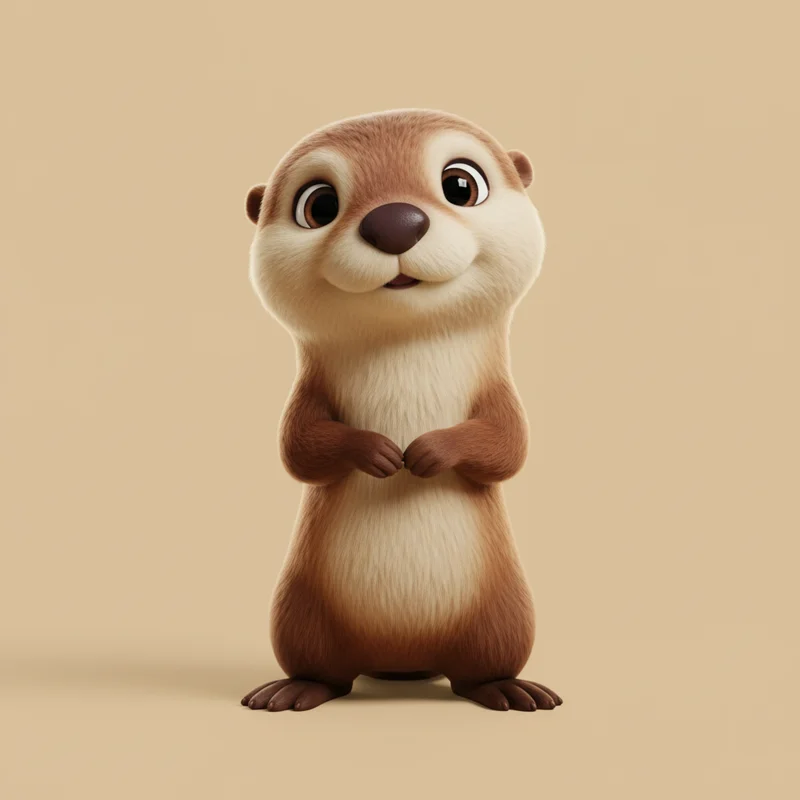
Otter
The individual otter possesses a finite biological lifespan of approximately fifteen to twenty years in the wild. However, this metric fundamentally misunderstands durability. The otter species has endured for thirty million years, adapting to ice ages, continental shifts, and the rise and fall of civilisations. Each otter carries genetic information refined across countless generations, a living library of survival strategies. They self-repair from injuries, adapt to environmental changes, and produce successive generations that inherit accumulated wisdom. The rubber duck's durability is static preservation; the otter's durability is dynamic perpetuation through time itself.