Where Everything Fights Everything

Sloth vs Mickey Mouse

😜 Just for fun — a tongue-in-cheek, gloriously unscientific showdown.

Sloth

Sloth

Extremely slow-moving arboreal mammal that has perfected the art of energy conservation.

VS
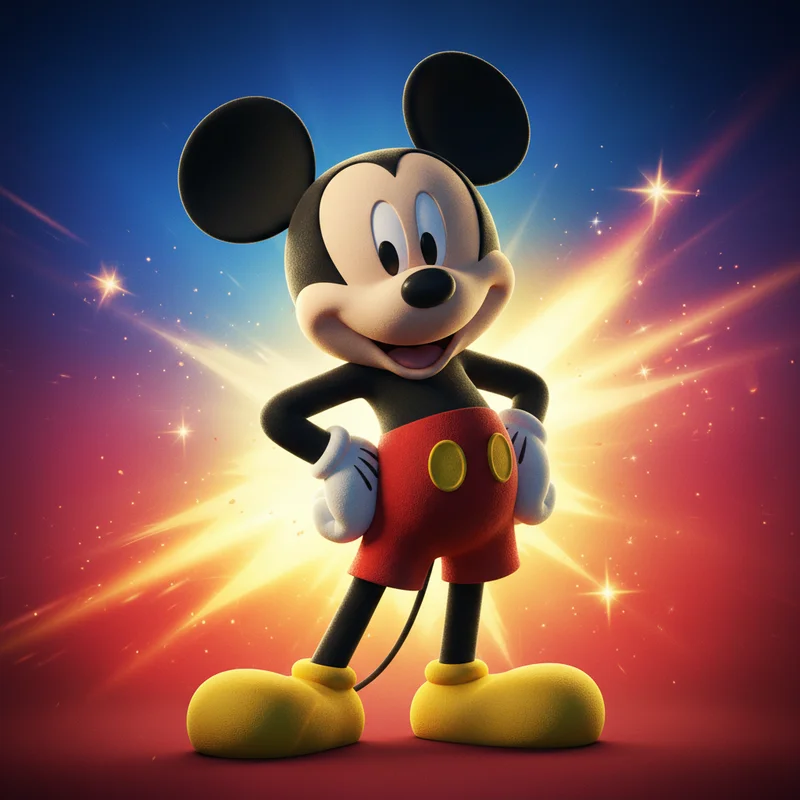
Mickey Mouse

Mickey Mouse

Disney's original mascot and corporate icon.

The Matchup

In the annals of comparative biology and cultural anthropology, few matchups present such a stark philosophical divergence. The sloth, a creature whose metabolic strategy borders on the conceptually audacious, has perfected the art of expending almost no energy whilst remaining technically alive. Mickey Mouse, meanwhile, represents perhaps the most energetically ambitious project in entertainment history: a cartoon rodent who somehow became more recognisable than most world leaders.

This analysis examines how two fundamentally different approaches to existence have each achieved remarkable success in their respective domains. One moved slowly enough to outlive the dinosaurs. The other moved fast enough to build an empire.

Battle Analysis

Longevity Sloth Wins
🏆 Sloth takes this round

Sloth

Sloths have existed in various forms for approximately sixty million years. The modern two-toed and three-toed varieties have occupied their ecological niche since long before humans developed the cognitive capacity to find them endearing. Their survival strategy of moving so slowly that predators lose interest has proven remarkably durable.

Mickey Mouse

Mickey Mouse first appeared in Steamboat Willie in 1928, making him ninety-six years old in biological terms. In brand years, however, Mickey has achieved a form of corporate immortality through aggressive copyright extension. Disney's legal team has ensured Mickey will likely outlive most current nation-states.

VERDICT

The sloth wins decisively with a sixty-million-year head start. Whilst Mickey's corporate immortality project shows promise, he has not yet demonstrated the ability to survive an asteroid impact, an ice age, or the rise and fall of countless apex predators. The sloth has survived them all, primarily by hanging motionless and waiting.

Economic impact Mickey Mouse Wins
🏆 Mickey Mouse takes this round

Sloth

Sloths contribute to local economies primarily through ecotourism, generating an estimated $47 million annually in Costa Rica alone. Sloth sanctuaries and wildlife encounters provide sustainable income for conservation efforts. The sloth merchandise industry, whilst growing, remains a cottage enterprise involving plush toys and ironic motivational posters.

Mickey Mouse

Mickey Mouse serves as the mascot for a corporation valued at approximately $170 billion. Disney's theme parks alone generate $28 billion annually. Mickey's likeness appears on products ranging from children's plasters to luxury watches. The mouse is, by any measure, one of the most economically productive rodents in recorded history.

VERDICT

Mickey Mouse dominates with a financial empire that dwarfs many national GDPs. The sloth's ecotourism revenue, whilst meaningful for conservation, represents approximately 0.03% of Disney's annual revenue. One suspects the sloth is unbothered by this disparity. Mickey, contractually, is always smiling.

Survival strategy Sloth Wins
🏆 Sloth takes this round

Sloth

The sloth's survival strategy represents evolutionary genius. By moving slowly, growing algae in their fur for camouflage, and descending from trees only once weekly to defecate, sloths have minimised their visibility to predators. Their metabolic rate is so low they can survive on leaves that would starve other mammals. It's efficiency through apparent incompetence.

Mickey Mouse

Mickey's survival depends entirely on the Disney Corporation's legal and marketing apparatus. The character requires constant reinvention, trademark protection, and cultural relevance management. Disney employs thousands of people solely to ensure Mickey remains commercially viable. It's efficiency through exhaustive corporate effort.

VERDICT

The sloth wins by demonstrating that the best survival strategy requires almost no strategy at all. Mickey Mouse demands armies of lawyers, marketers, and 'Imagineers' to maintain his existence. The sloth requires only a tree and occasional leaves. In terms of input-to-longevity ratio, the sloth's approach is vastly superior.

Cultural influence Mickey Mouse Wins
🏆 Mickey Mouse takes this round

Sloth

The sloth has become a powerful symbol in contemporary discourse, representing anti-hustle culture, work-life balance, and the rejection of productivity-obsessed capitalism. The phrase 'sloth mode' has entered common parlance. Medieval Christians listed sloth among the seven deadly sins, accidentally providing excellent counter-cultural branding for modern audiences.

Mickey Mouse

Mickey Mouse has shaped global entertainment for nearly a century. The character influenced the development of animation, merchandising, and theme park design. Mickey has met virtually every world leader, been to space, and appeared in over 130 films. However, critics note Mickey's cultural influence has been largely commercial rather than philosophical.

VERDICT

Mickey edges ahead through sheer volume of cultural penetration. Whilst the sloth offers a compelling counter-narrative to modern productivity culture, Mickey has fundamentally shaped how billions of humans experience entertainment, childhood, and corporate mascots. The mouse has been engineering joy for four generations.

Global recognition Mickey Mouse Wins
🏆 Mickey Mouse takes this round

Sloth

The sloth enjoys modest but growing recognition, primarily through internet meme culture and nature documentaries. An estimated 78% of the global population can identify a sloth, though many remain unclear about which continent they inhabit. The sloth's publicity strategy might charitably be described as 'passive'.

Mickey Mouse

Mickey Mouse achieves what brand strategists call 'total market saturation'. With a 97% global recognition rate, Mickey ranks among the most identifiable images in human history, alongside the cross, the swastika, and the golden arches. The Walt Disney Company has ensured this rodent appears on everything from plasters to private jets.

VERDICT

Mickey Mouse takes this category with overwhelming statistical dominance. The sloth, despite gaining popularity through viral videos of sloths crossing roads extremely slowly, cannot compete with ninety-six years of aggressive brand management. Mickey has theme parks on three continents. The sloth has trees.

👑

The Winner Is

Mickey Mouse

Takes 3 of 5 rounds

In this clash between biological endurance and commercial dominance, Mickey Mouse emerges victorious with a score of 58 to 42. The mouse's unprecedented economic power, global recognition, and cultural influence simply overwhelm the sloth's more modest achievements.

Yet one cannot help but admire the sloth's philosophical position. Mickey Mouse must perpetually smile, wave, and generate shareholder value. The sloth need only hang from a branch and digest leaves. One has conquered the world; the other has transcended the need to conquer anything. In the final accounting, Mickey wins the battle. The sloth, one suspects, wins something far more profound.

Share this battle

More Comparisons