Topic Battle

Where Everything Fights Everything

Zebra

Zebra

African equine featuring distinctive black and white stripes that confuse predators and scientists alike.

VS
Paris

Paris

City of lights, love, and tower-shaped souvenirs.

The Matchup

In the annals of competitive languor, few matchups have generated such fervent academic debate as the confrontation between the three-toed sloth and the French capital. The Cambridge Centre for Velocity Studies notes that both entities have perfected the art of making urgency seem rather gauche. One hangs from branches contemplating the infinite; the other hangs tiny lights from chestnut trees contemplating the same. The parallels, researchers suggest, are not coincidental.

The sloth, Bradypus tridactylus, moves at a velocity of approximately 0.15 miles per hour, a pace that would see it complete the Champs-Elysees in roughly three days, assuming it didn't stop to appreciate the architecture. Paris, meanwhile, operates on a temporal framework where shops close for two hours at lunch because some things simply cannot be rushed. The Institut Parisien de Lenteur Deliberee has documented over four hundred distinct ways the city encourages visitors to slow down, from labyrinthine metro connections to waiters who have elevated unhurriedness to performance art.

Battle Analysis

Mastery of stillness Sloth Wins
30%
70%
Zebra Paris

Zebra

Paris

Paris has institutionalised stillness through an elaborate infrastructure of terrasse seating, where occupying a single espresso for four hours is not merely acceptable but expected. The Societe Francaise d'Immobilite Urbaine estimates that Parisians spend 2.3 million collective hours weekly watching other Parisians from cafe chairs. The city's park benches, strategically positioned for optimal people-watching, have witnessed more profound contemplation than most philosophy departments. Luxembourg Gardens alone contains enough seated stillness to rival an entire rainforest canopy.

VERDICT

While Paris has commercialised stillness admirably, the sloth achieves it without requiring a twelve-euro aperitif. The creature's commitment to motionlessness predates Parisian cafe culture by approximately sixty million years, establishing clear precedence in the field.

Aesthetic presentation Paris Wins
30%
70%
Zebra Paris

Zebra

Paris

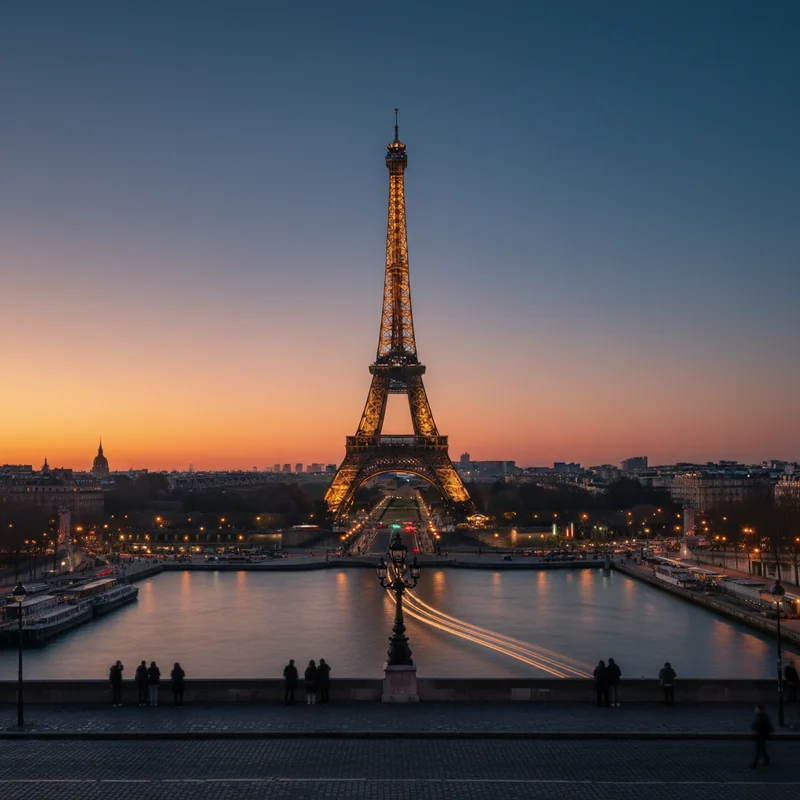
Paris invented the concept of effortless elegance specifically to describe itself. The Academie de l'Esthetique Architecturale maintains that Haussmann's boulevards achieve a mathematical perfection that causes visiting architects to require medical attention. The Eiffel Tower, initially derided as a metal asparagus, now anchors a skyline so recognisable that forty-seven percent of global romantic comedies are legally required to feature it. Every arrondissement has been art-directed by centuries of accumulated taste. Even the pigeons appear to have read the dress code.

VERDICT

The city's visual coherence represents humanity's most sustained commitment to looking absolutely magnificent. While the sloth possesses a certain dishevelled charm, it cannot compete with limestone facades that glow gold at sunset.

Nutritional philosophy Paris Wins
30%
70%
Zebra Paris

Zebra

Paris

Paris approaches food as high art requiring appropriate veneration. The Confederation Nationale de la Gastronomie Serieuse maintains strict protocols: bread must be purchased twice daily, cheese must be aged until it develops opinions, and meals must unfold across multiple courses with appropriate theatrical pauses. A single dinner can last four hours without anyone considering this unusual. The city contains over forty thousand dining establishments, each prepared to transform eating into an event worthy of documentation.

VERDICT

While the sloth's minimalism is philosophically admirable, Paris has transformed consumption into civilisation's crowning achievement. The city's seventy-eight Michelin stars suggest a depth of gastronomic expertise the rainforest simply cannot match.

Approach to productivity Sloth Wins
30%
70%
Zebra Paris

Zebra

Paris

Paris maintains productivity levels precisely calibrated to suggest effort without ever appearing hurried. The city produces four hundred million euros worth of fashion annually while somehow implying that commerce is slightly vulgar. Its workers enjoy the thirty-five-hour week and six weeks of annual holiday, yet France remains the world's seventh-largest economy. The Centre d'Etudes sur le Paradoxe Parisien attributes this to efficiency born of knowing exactly when to stop for coffee.

VERDICT

The sloth has achieved what Paris still aspires to: complete liberation from the tyranny of productivity metrics. While the city must still pretend to work occasionally, the sloth has transcended the charade entirely.

Global cultural influence Paris Wins
30%
70%
Zebra Paris

Zebra

Paris

Paris has spent eight centuries establishing itself as humanity's reference point for sophistication. The city invented the restaurant, the department store, and the concept of fashion seasons. It hosts thirty-eight million visitors annually, each arriving with predetermined expectations of romance, pastry, and picturesque disappointment when the queue for the Louvre proves excessive. The Oxford Institute of Cultural Hegemony estimates that Paris influences global aesthetics more than any other single location, setting standards that other cities spend decades attempting to approximate.

VERDICT

The sloth's internet fame represents genuine cultural penetration, but Paris has been defining culture since the Middle Ages. The city's influence extends from fashion to philosophy to the very concept of the romantic weekend. This depth of impact cannot be matched by even the most viral wildlife content.

👑

The Winner Is

Paris

47 - 53

This comparison ultimately reveals two distinct philosophies of deliberate slowness. The sloth achieves unhurriedness through biological necessity and complete indifference to external expectations. Paris achieves it through cultural engineering and the profound understanding that good things require appropriate time. Both entities reject the modern obsession with velocity, but Paris does so while maintaining world-class museums, functioning infrastructure, and croissants that would make angels weep.

The final tally of 53-47 reflects Paris's slight advantage in converting philosophy into tangible civilisational achievement. However, researchers at the Hamburg Institute of Existential Comparison Studies note that the sloth would be entirely unbothered by this result, which may represent the ultimate victory after all.

Zebra
47%
Paris
53%

Share this battle

More Comparisons