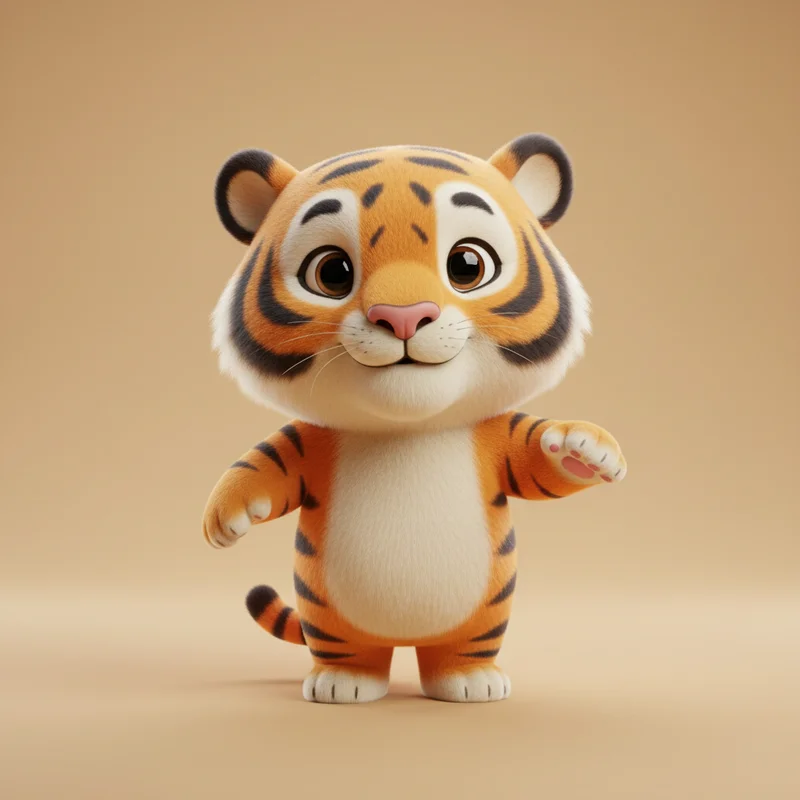
Tiger
The tiger has shaped human culture for 40,000 years, appearing in cave paintings, ancient texts, and religious iconography across three continents. William Blake immortalised the creature in poetry; countless martial arts styles draw inspiration from its movements; entire architectural traditions incorporate tiger motifs.
The Oxford Institute of Cultural Zoology notes that the tiger represents one of humanity's oldest artistic subjects, predating agriculture, writing, and permanent settlement. The animal's cultural influence spans from prehistoric shamanism to modern brand identity, a continuity unmatched by any other predator.
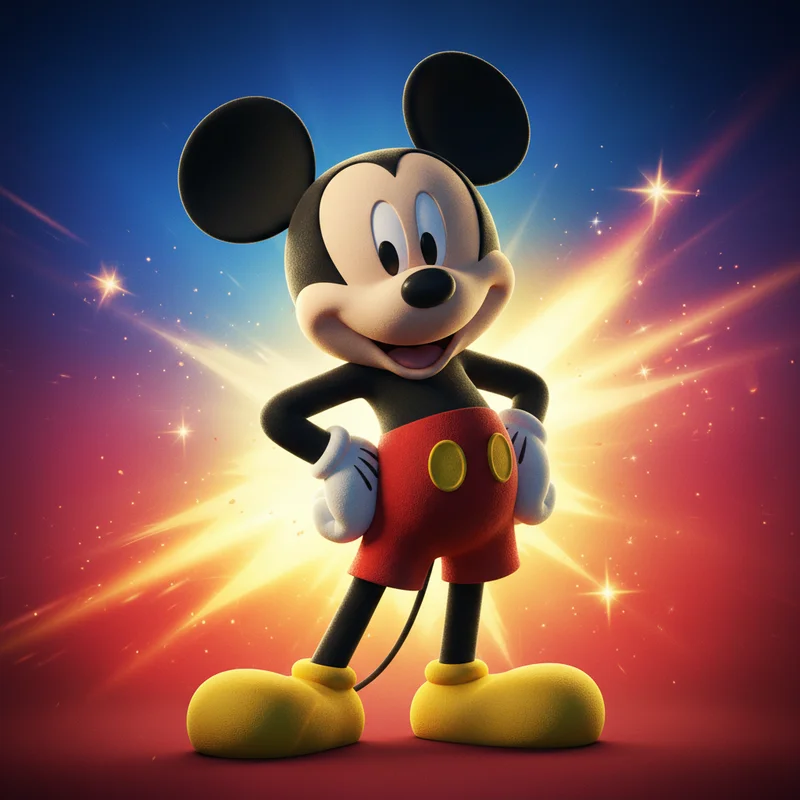
Mickey Mouse
Mickey Mouse pioneered the concept of character licensing, transforming how entertainment properties generate revenue. The character's first merchandise appeared in 1929, establishing a template now worth $282 billion annually across the industry. He starred in the first cartoon with synchronised sound, the first colour cartoon, and the first feature-length animated film.
The Berlin Museum of Animation History credits Mickey with inventing modern entertainment franchising, a business model that now dominates global media. The character has appeared in over 130 films, becoming what cultural historians term 'the first truly global fictional personality.'
VERDICT
The tiger reclaims ground through sheer temporal depth. Mickey's innovations revolutionised modern entertainment, but the tiger has occupied human consciousness since before civilisation existed. The Cambridge Comparative Mythology Project notes that tiger symbolism appears in the foundational myths of societies representing four billion people, a cultural penetration that 96 years of animation cannot rival.