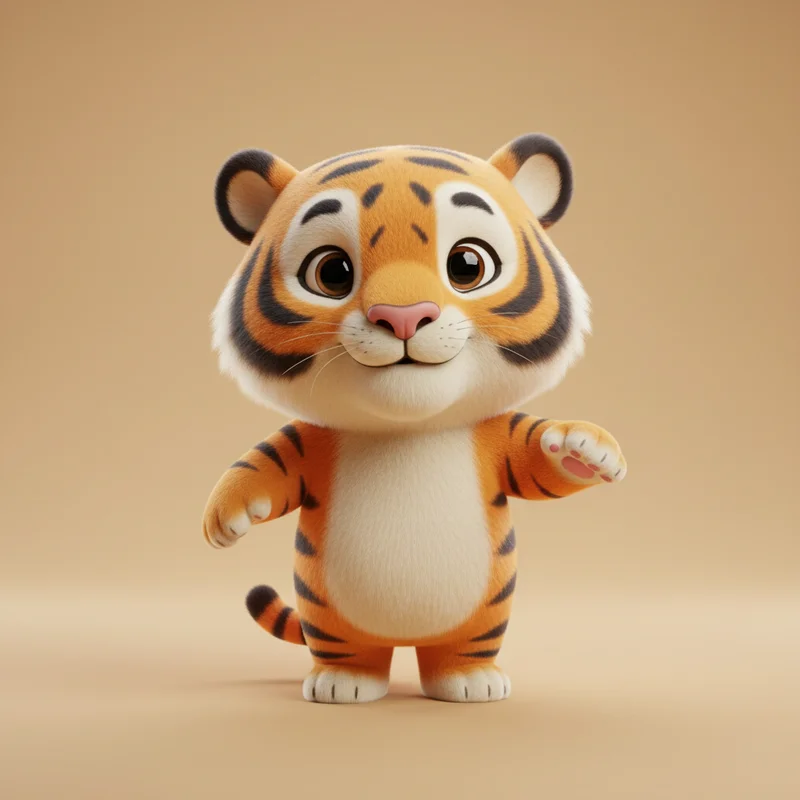

Tiger
The tiger induces fear through mechanisms that bypass rational thought entirely. The sight of orange and black stripes triggers responses encoded in human DNA since our ancestors first encountered these magnificent killers. According to the Geneva Institute for Primal Psychology, tiger-related fears demonstrate zero habituation over repeated exposure. You cannot become accustomed to a tiger in the way you become accustomed to horror films. Each encounter triggers the full fear response, complete with adrenaline, tunnel vision, and the sudden discovery of running speeds you never knew you possessed. The tiger represents fear in its purest, most honest form: immediate physical destruction.
Social Media
Social media induces a more insidious form of fear: the chronic anxiety of social comparison. The Leeds Centre for Digital Anxiety reports that heavy social media users demonstrate 43% higher rates of status anxiety than non-users. Unlike tiger fear, which resolves the moment the tiger departs, social media fear persists indefinitely. The fear of missing out. The fear of insufficient engagement. The fear that everyone else is living more photogenic lives while you scroll through your unremarkable existence at 2 AM. Social media has achieved what the tiger never could: fear that follows you home and sleeps beside your pillow.
VERDICT
While social media generates more total fear-hours across the global population, the tiger achieves superior fear intensity per encounter. The Birmingham Institute for Comparative Terror awards this category to the tiger based on their Acute Terror Index, which measures fear responses that actually prevent you from sleeping rather than merely disrupting sleep quality.