
WiFi
WiFi as a technology has demonstrated remarkable adaptability, evolving through seven major generational standards since 1997. The 802.11 protocol family has maintained backward compatibility whilst dramatically improving speed, range, and efficiency. Current WiFi 7 implementations offer speeds approaching 46 Gbps, roughly 9,000 times faster than the original standard. This evolutionary capacity suggests WiFi, or its direct descendants, will persist for decades.
However, the technology faces existential questions as 5G, 6G, and satellite internet offer competing connectivity solutions. WiFi's longevity depends on continued domestic and enterprise relevance as mobile networks expand.
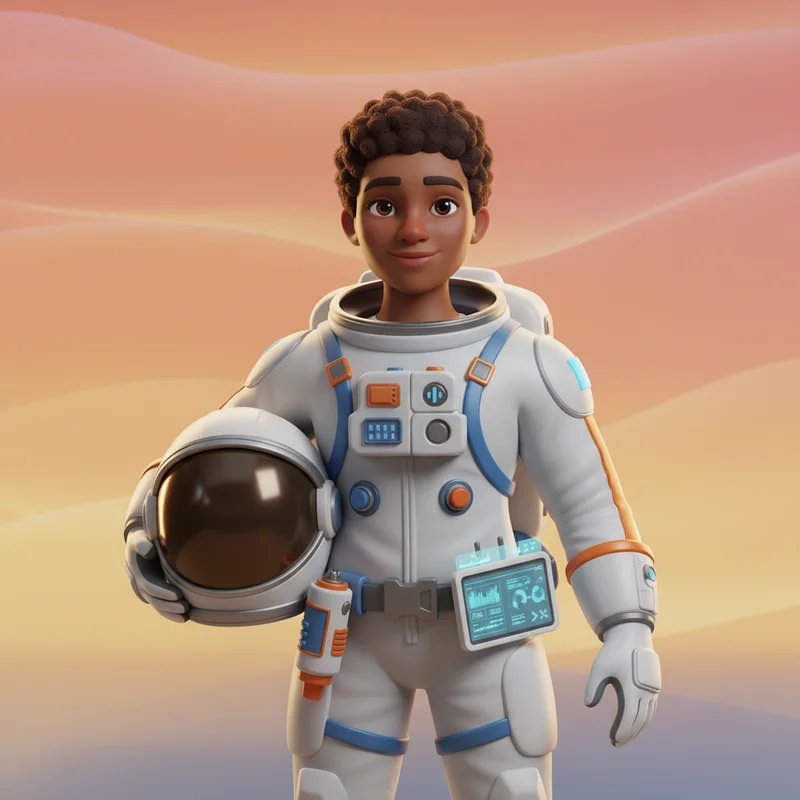
Astronaut
The astronaut as a profession has existed since 1961 and shows no signs of obsolescence. Indeed, the expansion of commercial spaceflight, lunar return programmes, and Mars ambitions suggests the profession's scope will only expand. SpaceX, Blue Origin, and various national agencies project astronaut corps growth over the coming decades, with some estimates suggesting thousands of people may work in space by 2050.
Unlike many professions facing automation threats, the astronaut role demands precisely those capabilities robots handle poorly: adaptable decision-making, improvisation, and the indefinable quality of human presence. The profession appears extinction-proof for the foreseeable future.