Wolf
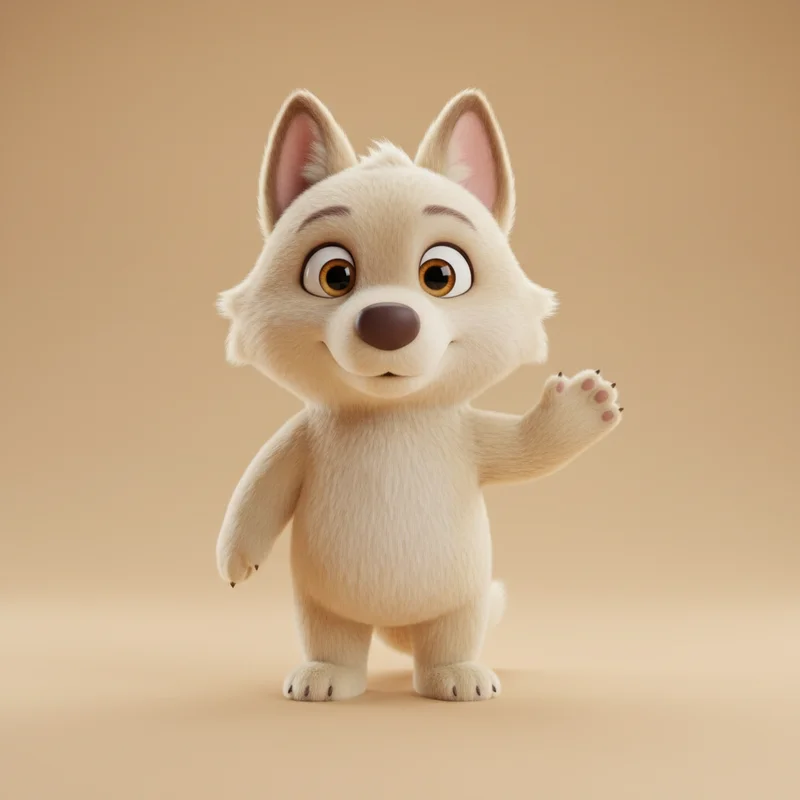
The wolf generates genuine, visceral fear rooted in biological reality. Human ancestors who failed to fear wolves often failed to become ancestors at all. This primal response persists despite statistical evidence that wolves pose negligible threat to modern humans—fewer than ten fatal wolf attacks occur globally per decade. The wolf's howl, particularly when heard unexpectedly in darkness, triggers autonomic responses: elevated heart rate, heightened alertness, and the strong desire to be elsewhere. This fear is hardwired, inherited from generations who knew wolves not as documentary subjects but as genuine nocturnal threats.
Mickey Mouse
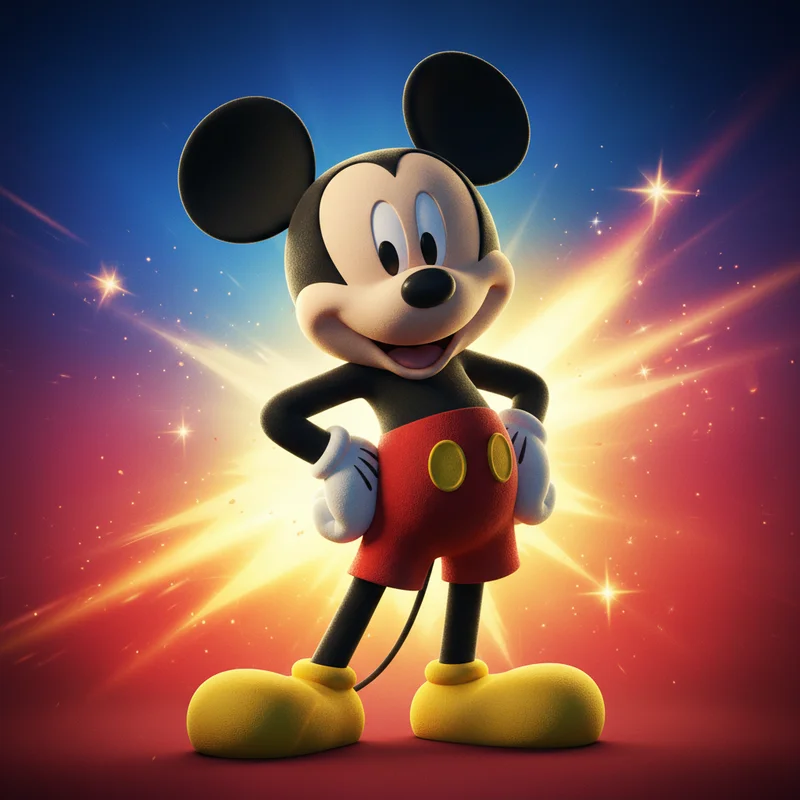
Mickey Mouse generates no fear whatsoever in his intended audience. The character was specifically designed to appear non-threatening, with proportions borrowed from infant humans: oversized head, large eyes, small body. However, Mickey does generate significant fear in intellectual property attorneys worldwide, for whom the character represents Disney's notoriously aggressive legal enforcement. The company has pursued copyright infringers with a persistence that wolves might admire. Mickey himself inspires warmth; his corporate guardians inspire the fear of litigation.