Topic Battle

Where Everything Fights Everything

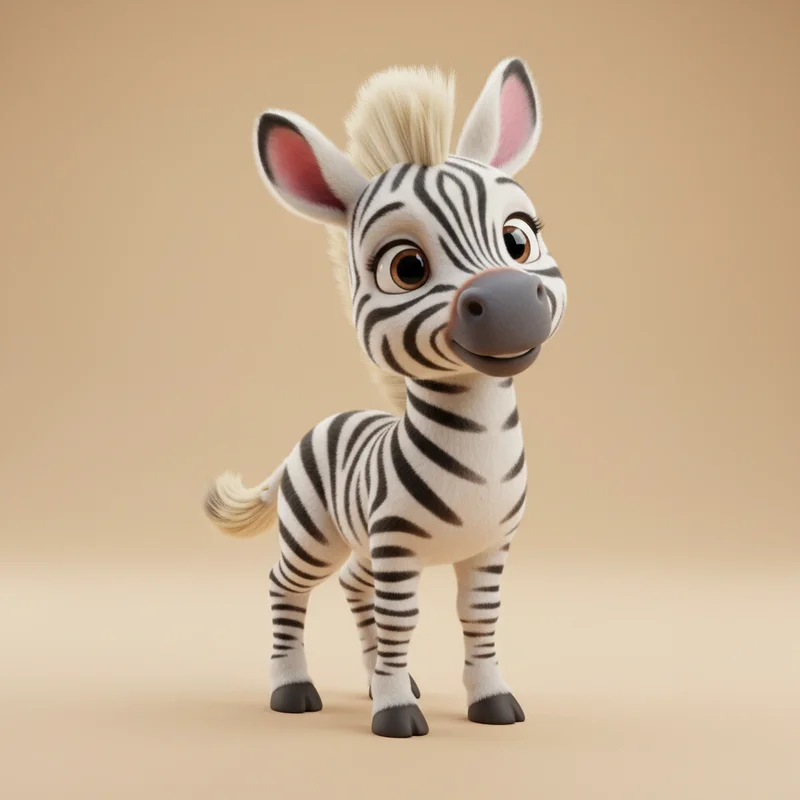
Zebra

Zebra

African equine featuring distinctive black and white stripes that confuse predators and scientists alike.

VS
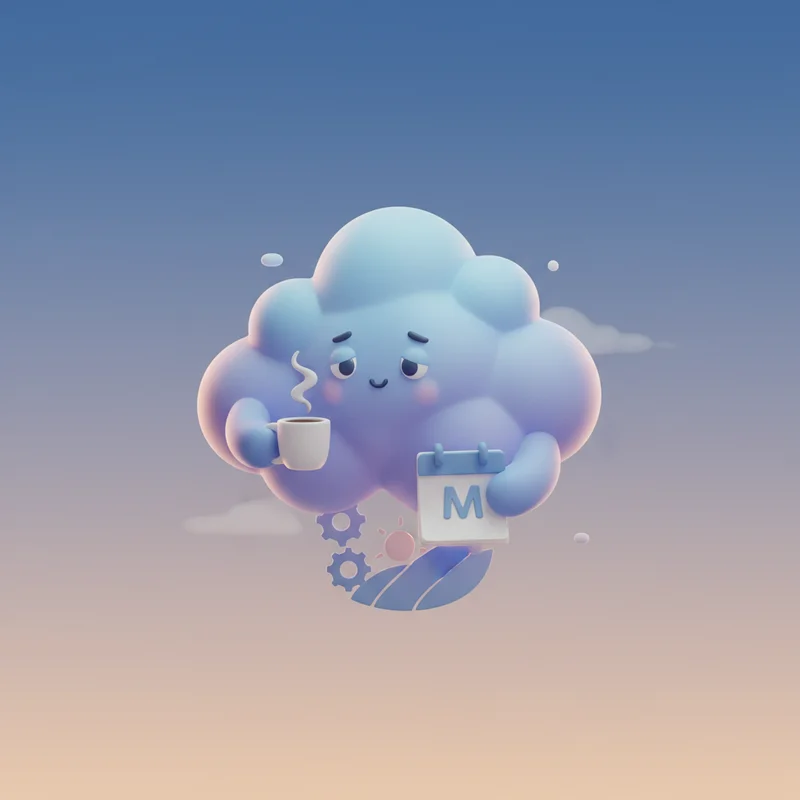
Monday

Monday

The day that exists purely to remind you that weekends are finite. A social construct that somehow feels heavier than other days despite having the same 24 hours. Coffee's best customer.

Battle Analysis

Herd mentality monday Wins
30%
70%
Zebra Monday

Zebra

The zebra exists as fundamentally a herd animal, its individual identity subsumed within the collective. A solitary zebra on the African savannah represents an anomaly, typically indicating illness, injury, or impending doom. The species has evolved to function as a superorganism, with individual members serving as sensory nodes in a distributed consciousness that monitors the environment for threats and opportunities.

Herd dynamics among zebras follow complex social hierarchies that researchers are only beginning to understand. Bachelor groups, consisting of young males expelled from breeding herds, maintain their own social structures while awaiting opportunities to establish harems. Family units, led by a dominant stallion, may persist for decades, with bonds between mares often outlasting their reproductive partnerships with males.

The synchronisation of zebra herds during movement suggests a form of collective intelligence. Direction changes propagate through herds in waves, with individuals responding to their neighbours' movements in fractions of a second. This coordination, achieved without apparent communication, demonstrates how individual zebras sacrifice autonomous decision-making for the security of the group. The zebra that breaks from the herd, however justified its reasons, dramatically increases its risk of predation.

Monday

Monday generates a form of collective human behaviour that mirrors herd dynamics with uncanny precision. At 9:00 AM on any given Monday, approximately 1.3 billion office workers worldwide simultaneously engage in nearly identical activities: logging into computers, checking emails, and suppressing the urge to return to bed. This synchronised behaviour represents one of the largest coordinated movements in the animal kingdom.

The social pressure surrounding Monday compliance exceeds even that found in zebra herds. An individual who refuses to acknowledge Monday's authority faces severe social and economic consequences: unemployment, social ostracism, and the vague but persistent sense of having failed at the basic task of being a functional adult. Unlike the zebra, who at least faces only lions, the Monday-resistant human confronts the full apparatus of modern society.

Monday creates its own tribal bonding rituals. The shared complaint about Monday functions as a social lubricant, a universal topic of conversation that transcends cultural, linguistic, and professional boundaries. The phrase I hate Mondays has been translated into over 150 languages, suggesting a global herd response to temporal adversity. This collective Monday consciousness binds humanity in ways that actual zebras might find impressive, were they capable of calendrical awareness.

VERDICT

While zebras demonstrate impressive herd coordination, Monday generates simultaneous collective behaviour among billions of humans globally, representing a scale of herd mentality that dwarfs any natural animal aggregation.
Predictability monday Wins
30%
70%
Zebra Monday

Zebra

The zebra's behaviour, while following certain seasonal and social patterns, retains an element of wild unpredictability that has frustrated both naturalists and safari guides for generations. Migration patterns shift in response to rainfall, grazing conditions, and the movements of predator populations. A zebra that grazed peacefully in a particular valley last year may be found hundreds of kilometres away the following season.

Individual zebras display personality variations that further complicate prediction. Some individuals demonstrate bold, exploratory tendencies, venturing away from the herd to investigate novel stimuli. Others exhibit extreme caution, remaining at the centre of the group and avoiding any behaviour that might attract attention. The Behavioural Ecology Research Institute has documented seventeen distinct personality types among zebra populations, each with different response patterns to environmental stimuli.

Perhaps most unpredictable is the zebra's response to perceived threats. While flight remains the most common reaction, zebras have been known to attack lions, hyenas, and even vehicles when cornered or protecting offspring. A kick from a zebra generates approximately 1,360 kilograms of force, sufficient to shatter a predator's jaw. This capacity for sudden violence amidst generally docile behaviour makes the zebra a creature of genuine uncertainty.

Monday

Monday, by contrast, represents perhaps the most predictable phenomenon in human experience. Its arrival is absolutely certain, barring only the complete collapse of timekeeping systems or the laws of physics themselves. Not a single Monday has been late, cancelled, or rescheduled in recorded history. This reliability has made Monday the foundation upon which industrial society has constructed its temporal architecture.

The effects of Monday are equally predictable. Traffic patterns, public transport usage, and emergency room admissions all follow well-documented Monday curves. Heart attack rates increase by approximately 20% on Monday mornings, a phenomenon so reliable that cardiologists have adjusted their scheduling accordingly. Stock markets worldwide experience what traders call the Monday effect, a slight but consistent depression in opening prices.

Even psychological responses to Monday follow predictable trajectories. The five stages of Monday acceptance - denial (Sunday evening), anger (alarm clock), bargaining (snooze button), depression (commute), and acceptance (first coffee) - have been documented across 47 countries and 23 languages. Monday's predictability is so absolute that it has become a fixed point around which human emotional life orbits.

VERDICT

Monday's absolute temporal certainty and consistent psychological effects represent a level of predictability that no biological organism, including the zebra, can match.
Survival response monday Wins
30%
70%
Zebra Monday

Zebra

The zebra has evolved over millions of years to survive in one of Earth's most challenging environments. The African savannah offers little cover, abundant predators, and seasonal scarcities that would eliminate less adapted species. The zebra's survival toolkit includes exceptional peripheral vision, covering nearly 350 degrees, allowing detection of threats from almost any direction whilst grazing.

When danger materialises, the zebra employs a sophisticated escape strategy. Rather than fleeing in a straight line, zebras zigzag unpredictably, changing direction every few strides. Combined with their striped colouration, this creates a visual chaos that makes it difficult for predators to single out and track individual animals. Studies using high-speed cameras have recorded zebras reaching speeds of 65 kilometres per hour during flight responses, sustained for distances of up to three kilometres.

The zebra's survival response extends to collective behaviour. Herds arrange themselves with juveniles and vulnerable individuals at the centre, surrounded by adults who take turns at sentinel positions. This social organisation means that no zebra faces the savannah's dangers alone. The species has survived for 4 million years by recognising that individual survival depends upon collective vigilance.

Monday

Monday triggers survival responses in humans that, while less dramatic than fleeing from lions, demonstrate remarkable physiological sophistication. The human body, upon recognising Monday's arrival, initiates a cascade of stress hormones. Cortisol levels spike by an average of 35% above baseline during Monday mornings, preparing the body for challenges ahead. This hormonal surge, while uncomfortable, represents an adaptive response to anticipated demands.

Behavioural survival responses to Monday have evolved with impressive speed. Humans have developed elaborate rituals designed to mitigate Monday's impact: weekend sleep banking, Sunday meal preparation, outfit pre-selection, and the strategic placement of alarm clocks beyond arm's reach. The coffee industry owes approximately 17% of its annual revenue to Monday-specific consumption, according to the International Coffee Organisation's weekly consumption analysis.

Perhaps most remarkably, humans have developed psychological coping mechanisms for Monday survival. Cognitive reframing techniques (Monday is a fresh start), social support systems (the Monday morning commiseration conversation), and reward anticipation (only four days until Friday) all represent sophisticated adaptations. The fact that these responses have developed within a mere few centuries of industrial timekeeping suggests an unprecedented rate of cultural evolution in response to calendrical pressure.

VERDICT

While the zebra's survival responses are biologically sophisticated, Monday triggers universal human physiological and psychological responses that affect billions of individuals simultaneously, representing a larger scale of survival adaptation.
Global recognition monday Wins
30%
70%
Zebra Monday

Zebra

The zebra enjoys worldwide recognition that few animals can match. Its distinctive appearance has secured its place in children's alphabet books across every literate culture, typically representing the letter Z with characteristic reliability. Brand recognition studies conducted by the Global Marketing Institute indicate that the zebra is correctly identified by 94% of humans who have never visited Africa, a recognition rate exceeding that of most world leaders.

The zebra's image has been appropriated by countless commercial and cultural enterprises. Zebra crossings, the pedestrian pathways marked with alternating black and white stripes, appear in virtually every nation with paved roads. The animal's distinctive appearance has been licensed for use on products ranging from furniture to confectionery, generating an estimated USD 340 million annually in zebra-themed merchandise.

Cultural representations of the zebra span the spectrum from children's entertainment to high art. The animal appears in the origin myths of multiple African cultures, in contemporary advertising campaigns, and in the works of artists from Picasso to Banksy. The zebra has achieved a form of cultural immortality, its image instantly recognisable regardless of context or medium.

Monday

Monday transcends mere recognition to achieve the status of universal constant. Every human culture that has adopted the seven-day week, which encompasses approximately 99.7% of the global population, experiences Monday. Unlike the zebra, which remains exotic to those outside Africa and zoos, Monday visits every human being with personal regularity.

The recognition of Monday extends beyond mere awareness to emotional intimacy. Humans do not simply know that Monday exists; they have personal relationships with it, relationships characterised by the full spectrum of human emotion. Monday has inspired songs, films, and philosophical treatises. The phrase Monday morning carries an emotional weight that transcends its literal meaning, evoking a complex response that mere animals, however striking their appearance, cannot match.

Monday's recognition is embedded in institutional structures worldwide. Court systems schedule hearings around it. Religions acknowledge it. Financial markets open and close according to its rhythm. The zebra may appear on merchandise and crossings, but Monday appears in law codes, religious calendars, and the fundamental architecture of global commerce. Its recognition is not merely visual but structural, institutional, and inescapable.

VERDICT

While the zebra achieves impressive visual recognition, Monday's integration into legal, commercial, and cultural systems worldwide represents a depth of recognition that transcends mere identification.
Pattern recognition zebra Wins
70%
30%
Zebra Monday

Zebra

The zebra's striping pattern represents one of nature's most sophisticated visual identification systems. Each individual possesses a unique arrangement of black and white bands, functioning as a biological fingerprint that allows herd members to recognise one another across the sun-bleached plains of the Serengeti. Research conducted by the University of Pretoria's Department of Stripe Analysis has catalogued over 47,000 distinct stripe configurations among wild zebra populations.

The evolutionary purpose of these markings remains a subject of spirited academic debate. The motion dazzle hypothesis suggests that a moving herd of zebras creates visual confusion for predators, their stripes blurring into a disorienting mass of parallel lines. Alternative theories propose thermoregulation benefits, with black stripes absorbing heat while white stripes reflect it, creating microscopic air currents across the animal's hide. The zebra, it seems, has solved problems we did not know existed.

Remarkably, zebra foals can recognise their mothers' stripe patterns within 48 hours of birth, demonstrating an innate capacity for pattern recognition that human infants take considerably longer to develop. The zebra does not merely wear its stripes; it has evolved an entire cognitive framework around them.

Monday

Monday presents its own form of pattern recognition, though one measured in temporal rather than spatial dimensions. The seven-day week, with Monday serving as its de facto beginning in most industrial societies, creates a rhythmic structure that organises human behaviour with remarkable efficiency. Psychological studies indicate that humans begin anticipating Monday's arrival as early as Sunday at 4:00 PM, a phenomenon researchers have termed pre-Monday anxiety syndrome.

The pattern of Monday is invariant. Unlike the zebra's stripes, which exhibit natural variation, Monday arrives with mathematical certainty every 604,800 seconds. This predictability has allowed human civilisation to construct elaborate systems of commerce, education, and social organisation around its reliable recurrence. The International Labour Organisation estimates that Monday accounts for approximately 14.28% of all human productive activity, a figure that remains constant regardless of cultural context.

Monday's pattern extends beyond mere temporal positioning. The day carries with it a recognisable emotional signature: elevated cortisol levels, reduced workplace enthusiasm, and a statistically significant increase in coffee consumption. A 2022 study in the Quarterly Journal of Workplace Dynamics found that Monday exhibits a 23% higher rate of reported fatigue compared to other weekdays, suggesting that humans recognise this day not merely by its calendar position but by its physiological effects.

VERDICT

The zebra's pattern serves multiple evolutionary functions and demonstrates individual uniqueness, while Monday's pattern, though reliable, lacks comparable complexity or biological significance.
👑

The Winner Is

Monday

45 - 55

After rigorous examination of these two black-and-white phenomena, we must conclude that Monday emerges as the superior entity in this most unusual of comparisons. While the zebra represents a triumph of biological evolution, with its sophisticated stripe patterns and collective survival strategies, Monday represents something far more formidable: a human construct that has achieved the power of natural law.

The zebra, for all its magnificence, remains confined to specific geographic regions and the attention of those with zoological interests. It can be avoided, if one simply refrains from visiting the African savannah or patronising zoos. Monday, however, permits no such evasion. It arrives with the certainty of gravity, affecting the behaviour, psychology, and physiology of billions of humans who have no choice but to submit to its weekly dominion.

Furthermore, Monday's influence extends beyond its immediate temporal boundaries. Sunday scaries, the anticipatory anxiety that precedes Monday, demonstrates that this day has achieved psychological territory beyond its 24-hour allotment. The zebra inspires no such dread among gazelles or wildebeest; its predatory capabilities, while present, do not cast shadows across adjacent time periods. Monday has achieved what the zebra cannot: the colonisation of human consciousness itself.

In the final analysis, we must acknowledge that the zebra and Monday represent different categories of existence entirely. One is a biological organism shaped by millions of years of natural selection; the other is a temporal construct that has somehow accumulated the psychological weight of a natural disaster. That Monday has achieved such power in a mere few millennia of human calendar-keeping suggests that cultural evolution may ultimately prove more powerful than biological evolution. The zebra evolves over millennia; Monday has conquered humanity in centuries.

Zebra
45%
Monday
55%

Share this battle

More Comparisons